Category: Case Studies

  • Keeping a Construction Site Online with Starlink

    Keeping a Construction Site Online with Starlink

    When a national contractor broke ground on a rural development, there was no fixed-line infrastructure for miles. They needed connectivity on day one.

    The challenge

    Site offices, welfare units, CCTV and contractor payments all depended on a reliable connection that simply was not available locally.

    The Anvil solution

    • Starlink Business as the primary link
    • 4G failover for resilience
    • Managed router pre-configured before delivery

    It was online before the first portacabin was unloaded. We have used the same kit on three sites since.

    Site IT manager

    The result: zero connectivity downtime across an eight-month build.

  • Multi-Site Retail Rollout with Managed SD-WAN

    Multi-Site Retail Rollout with Managed SD-WAN

    A growing retail chain was opening stores faster than its old connectivity provider could keep up. Each new site meant weeks of lead time and inconsistent performance.

    What changed

    • Pre-configured routers shipped ready to plug in
    • Dual-connection resilience at every store
    • A single dashboard for the whole estate

    New stores now come online in days, not weeks, and the head-office team can see every site at a glance.

  • Secure IoT Connectivity for First Responders: Ensuring Critical Medical Communication

    Secure IoT Connectivity for First Responders: Ensuring Critical Medical Communication

    Our customer operates as a first aid responder, playing a critical role in society providing immediate care to people during emergencies. They need secure connectivity to be able to transmit vital medical information to ambulances swiftly and efficiently.

    Connectivity Challenges in High-Stakes Situations

    • They need a simple one sim solution which is easy to deploy.
    • With operations spreading across many locations, they need to be able to always be connected – to have communication with the first aid responder.
    • They need secure and reliable connectivity as they are dealing with sensitive data and issues across various locations.

    Secure IoT Connectivity for First Responders: Ensuring Critical Medical Communication

    Secure Fixed IP Connectivity:  We supplied our customer with robust IoT connectivity that provides secure data.  The deployment of secure fixed IP connectivity ensures a stable and protected two-way connection between the first responder and ambulances, transmitting sensitive medical information quickly and effectively.  This feature enhances data security and reliability during emergency situations.

    Multi-Network Functionality:  By utilising IoT SIMs with multi-network functionality, the first responder organisation can sustain connectivity across different networks, ensuring seamless communication and data transmission irrespective of the operational location.

    Bespoke Tariffs:  We provided our customer with a tailored tariff by taking time to understand their needs and usage requirements thus providing a cost-effective solution together with resource efficiency.

    Management Portal: by providing our client with access to a management portal they can monitor and make changes to their SIMs over the air.

    The combination of tailored tariff structures, secure connectivity solutions and versatile multi-network capabilities empowers our client to coordinate critical medical information efficiently providing life-saving assistance in the UK.

  • IoT Connectivity for Salmon Tracking in Rural Locations

    IoT Connectivity for Salmon Tracking in Rural Locations

    Our customer utilises sensors in a salmon ladder to monitor salmon, tracking the influx of salmon at different times of the year.  The main purpose of a ladder is to allow salmon to enter portions of a river that they were previously unable to reach.  The ladders have integrated water sensors to monitor fish growth, numbers and sizes for comprehensive data collection.

    Our Client Had Three Big Connectivity Problems

    1. They require an always-on connectivity solution to ensure reliable continuous monitoring of the salmon.
    2. Good connectivity coverage in areas which are remote and rural is necessary as that is where they operate.
    3. Secure remote access capability is also essential for convenient monitoring and management of the fish tracking systems.

    How IoT Connectivity Enabled Live Salmon Ladder Monitoring

    Firstly, we implemented multi-network IoT SIMs for our client as this ensures reliable connectivity across various network providers, enabling consistent data transmission from the salmon ladder monitoring machines.  This feature enhances signal reliability in rural environments and optimises data collection processes.  We added a fixed IP which provides a secure and stable connection for transmitting data from the sensors to the machine, enhancing data security and ensuring reliable information transmission to designated endpoints.

    Another important part of the solution is access to Jasper SIM Management Portal which centralises control and monitoring capabilities for their IoT SIMs.  This portal facilitates real-time access to monitor SIMs, usage and connectivity settings.  A bespoke tariff plan aligns connectivity costs with the specific usage patterns of the monitoring operations of the salmon ladder.  This customised approach optimises connectivity resources, promotes cost-effectiveness and caters to the unique needs of the customer.

    Providing IoT SIMs for salmon ladders offers a comprehensive solution.  By incorporating multi-network IoT SIMs and fixed IP connectivity, they can carry out efficient fish tracking operations, ensure data security and optimise monitoring processes for salmon ladder monitoring applications in the UK.

  • IoT Connectivity in EV chargers

    IoT Connectivity in EV chargers

    As the adoption of IoT continues to grow globally, we are moving towards an era of heightened connectivity; one of the latest industries to adopt IoT is electric vehicle (EV) charging. The surge in EV charging stations has played a significant role in driving the adoption of electric cars.

    Rising concerns about carbon dioxide emissions, energy conservation, and the sustainability of fossil fuels, EVs are becoming increasingly common worldwide. As the market expands, so does the demand for smart charging stations. Currently, many EV charging stations are decentralised/non- networked chargers and structurally complex, making them challenging for on-site personnel to manage and maintain. In this blog, we’ll explore the advantages of IoT, discuss why connected EV chargers represent the future, and explain how they simplify the management of your EV charging stations.

    Problems faced with decentralised/non-networked chargers

    The genuine challenge lies not in the installation of numerous charging stations but in the capability to manage and operate these dispersed devices efficiently. Managing decentralised/non-networked EV chargers comes with its own set of unique challenges. High maintenance costs are often associated with field visits needed for troubleshooting charge points. This is not just a financial concern—every minute of downtime translates into lost business and customer dissatisfaction, making efficiency and reliability key.

    Role of connectivity in the EV charging ecosystem

    EV chargers need the “always-on” solution for several key reasons. Firstly, this type of connectivity ensures that EV chargers are always accessible and ready to serve customers, enhancing user experience and increasing usage rates. Secondly, it allows for real-time monitoring and management of the charging units. This includes tracking their performance, conducting remote diagnostics, executing software updates, and troubleshooting issues promptly, which can significantly reduce downtime and maintenance costs and offer the capability for third-party companies to collect important demographic details.

    These details can range from identifying who is charging their vehicle, pinpointing the time of the day when charging occurs, to noting the type of car being charged. Such information is invaluable in tailoring services and solutions to serve the EV charging community better. Lastly, it provides for the swift processing of payments and immediate updating of customer usage data, ensuring seamless and efficient transactions. It also triggers instant alerts in any disruptions such as power outages or system malfunctions, thereby improving response times and overall system dependability, maximising EV charging operations’ efficiency, reliability, and profitability.

    Multi-network connectivity is crucial in the Electric Vehicle (EV) charging landscape. It ensures uninterrupted network coverage by automatically switching between networks based on the strength of signals. This technology is instrumental.

    Why security is so important

    Security for IoT SIMs in Electric Vehicle (EV) chargers is paramount. IoT SIMs, which provide the cellular connectivity for these chargers, handle a significant amount of sensitive data. This includes customer details, payment information, and technical data about the charging process. If this information falls into the wrong hands due to inadequate security, it could lead to serious consequences such as financial loss, identity theft, or even sabotage of the charging infrastructure. Furthermore, secure IoT SIMs ensure the reliable operation of EV chargers by protecting them from potential cyber-attacks that could disrupt their functionality, leading to downtime and loss of revenue. They also allow for secure remote management of the chargers, enabling real-time monitoring, software updates, and troubleshooting. In essence, security for IoT SIMs is essential in maintaining the integrity, reliability, and trustworthiness of EV charging systems.

    To bolster security, we advise for organisations to use Fixed IP SIMs for connectivity. Fixed IP SIMs provide secure, direct, two-way communication between chargers and management systems, making each charger uniquely identifiable on the network. This simplifies remote troubleshooting and maintenance tasks, reduces downtime, and enhances operational efficiency. Fixed IPs also allow for stringent security measures, like firewalls and secure VPN tunnels, protecting sensitive data against cyber threats. To further bolster security, Anvil advises organizations to reinforce their EV charger connection within their own VPN, creating secure networks that link directly from our data center to your charging unit. By assigning each SIM card a Fixed Static Private IP address and incorporating a firewall, we ensure users access only approved internet services

    Here at Anvil we are connecting EV chargers by providing secure Cellular IoT network connectivity and infrastructure contact us below to see how we could help you connect your EV charger

  • 5G and LPWAN for smart city:

    5G and LPWAN for smart city:

    As cities become busier and more complex, we need smarter, sustainable solutions to manage them efficiently. That’s where 5G, the latest wireless network technology, comes into play. Using 5G, we can create ‘smart cities’ with applications that help manage traffic, enhance public safety, improve healthcare, and monitor the environment. In this blog, we’ll discuss how connectivity is making our cities smarter and our lives better.

    What is a smart city?

    So, what exactly is a smart city? Simply put, a smart city is an urban area that uses technologies, including the Internet of Things (IoT), to improve the quality of life for its citizens, make operations more efficient, and foster sustainable growth. Integrating multiple technological networks and devices allows a smart city to provide everyone with a seamless, connected experience. The arrival of 5G infrastructure could significantly enhance these capabilities, offering even more benefits for those living and working in such environments.

    For example, smart traffic lights can use data from IoT sensors to adjust their timing in real-time, which can help reduce traffic congestion.

    Smart cities offer several potential benefits, including:

    Improved efficiency: Smart cities can use technology to improve the efficiency of their operations. This can lead to cost savings and a better quality of life for citizens.

    Increased sustainability: Smart cities can use technology to reduce their environmental impact, which can help protect the environment and save money on energy costs.

    Improved quality of life: Smart cities can use technology to improve the quality of life for their citizens. This can include making streets safer, providing better public transportation, and improving access to healthcare.

    Connectivity 

    Cellular networks are a vital part of the technology that connects our devices and lets them talk to each other, known as the Internet of Things (IoT). They are known for being fast, reliable, and versatile when communicating. Will 5G and LPWAN finally be the key to unlock the full potential of smart cities? This question may seem simple, but the answer is multifaceted. While previous generations of wireless technology, such as 4G LTE, have indeed enhanced our connectivity, the promise of 5G is much greater. With speeds up to 100 times faster than 4G, 5G could be the game-changer we’ve been waiting for.

    One of the standout features of 5G is its ability to achieve high speeds and low latency. This groundbreaking technology can wirelessly connect devices such as sensors, lights, and meters, allowing smart city applications to be deployed more efficiently and effectively. In essence, 5G is pushing the boundaries and creating more secure networks that power our modern cities with real-time, reliable information.

    LPWAN connectivity distinguishes itself with its low power consumption. Combined with the high-speed data transmission of 5G, this could enable real-time, city-wide monitoring with minimal energy usage. This feature ensures that IoT devices can operate independently for an extended period, even up to a decade or more, while solely relying on battery power. Another critical attribute of LPWAN connectivity is its long range. This allows for installing sensors and actuators in remote or hard-to-reach locations, including rural agricultural fields, such as sensor networks for monitoring environmental conditions or infrastructure health.

    6 Smart City use cases

    IoT-based solutions are a game-changer for smart cities. They help city administrators better execute, monitor, and control different areas and operations while addressing various demands and challenges. Here are some examples of IoT-based smart city solutions:

    IoT Public Transportation: real-time data transmission between transportation mediums and administrators. This leads to improved scheduling, route planning, and overall efficiency. It also enhances passenger experience through timely updates about arrivals, departures, and delays.

    Smart Waste Management: The key to smart waste management lies in its ability to facilitate real-time data transfer from waste containers to a centralised system. This feature allows the city’s waste management department to schedule pickups efficiently, save fuel by optimising routes, and ensure timely waste disposal. The end result is a cleaner, healthier urban environment.

    IoT Smart Meters: Connectivity is crucial in monitoring and transmitting usage data from meters to utility companies. This helps in accurate billing, information on the amount of energy being consumed, anomaly detection, and better resource management.

    Smart Street Lights: They can be managed remotely, ensuring they are only used when necessary, with triggers set. This contributes to power conservation and reduces overall city energy consumption.

    Air Quality Monitoring: Connectivity ensures real-time transmission of air quality data to city administrators. This allows for immediate action when pollutant levels rise, safeguarding public health and promoting environmental sustainability.

    EV Charging Stations:  You can remotely monitor the use and maintenance of charging units. This leads to optimal performance, reduced inspection costs, and an overall smooth experience for electric vehicle owners.

    Full smart cities are still in their early stages of development; there are still other use cases in which connectivity can help; here at Anvil, we want to work closely with you. No matter how big or small your project is, we will create bespoke tariffs for your exact needs. Contact us below to see how we can help you.


  • How Multi-Network SIMs Enable Connectivity for Video Marketing Companies

    How Multi-Network SIMs Enable Connectivity for Video Marketing Companies

    Our client is a video marketing company that uses cameras to document the progress of projects from start to completion through videos and photographs. They take pictures and videos at different times of the day and must upload them to create a detailed project portfolio for general management, clients, and marketing purposes.

    Problem

    One of their primary challenges is the need for reliable connectivity to facilitate the seamless uploading of images from non-WiFi cameras. It is crucial for them to have a plug-and-play solution that can operate nationwide as they have projects in many different areas. They have frequently experienced connectivity issues where masts are out of service for maintenance and/or repair or due to congestion on a particular network.

    Solution

    Our solution involves providing multi-network IoT SIMs for numerous cameras on their various sites and integrating these back into our client’s server. The use of multi-network SIMs provides a robust connectivity solution. This is necessary because if the current network drops, the SIM seamlessly switches the network without any intervention. The solution also includes4G routers, which are pre-configured before dispatch to our client, and this helps speed up the deployment of the routers and cameras at the site.

    The multi-network SIMs are provided with a user-friendly management platform that enables our client to monitor usage in near real-time and undertake some troubleshooting tasks, which again makes for more efficiency. The portal also allows for the labeling of SIMs so that when cameras and routers are redeployed, the engineers involved can update the location fields to help with billing and troubleshooting episodes.

    With easy-to-manage connectivity solutions and nationwide coverage, you can ensure your cameras are always online and ready to upload. Contact us below to get started!

  • SIMs for Tracking Devices in  Taxi Fleets

    SIMs for Tracking Devices in  Taxi Fleets

    Our client is a leading taxi company providing comprehensive taxi services across the UK.  With a focus on efficiency and customer satisfaction, the company sought innovative solutions to enhance the monitoring and control of their extensive fleet of vehicles.

    Problem

    Before integrating IoT solutions, our customer encountered significant challenges in managing their taxi fleet effectively.  The lack of robust connectivity hindered their ability to monitor and control where all their cars were, leaving them vulnerable to operational inefficiencies and security risks.  Additionally, there was an absence of real-time insights into vehicle performance, such as speed, fuel efficiency, and location.

    IoT solution for Fleet Management

    To address the connectivity issues, we provided our customer with multi-network SIM cards, providing uninterrupted data and smooth access across various networks.  Additionally, the SIM had SMS enabled, allowing SMS commands to be sent to the trackers.  Our SIMs made remote access and real-time monitoring possible—two necessities for effective fleet management.  It also addressed security issues by enabling remote vehicle access and control, facilitating quick reactions to security incidents like theft, and enhancing operational resilience.  Insights for proactive decision-making and effective route planning were obtained through real-time vehicle speed monitoring, location, and performance.  This greatly increased operational efficiency and streamlined their fleet management procedures, setting new benchmarks for excellence in the UK taxi service sector.  Having access to a SIM management portal also makes it easier to manage all of their SIMs in one centralised platform.

    For more information on how IoT can transform your fleet management operations, don’t hesitate to contact us below.

  • Multi-Network SIMs for Mobile Sandwich Van

    Multi-Network SIMs for Mobile Sandwich Van

    Our customer operates several mobile pop-up sandwich vans with numerous routes, bringing breakfast, lunch, and snacks to building sites, factories, offices, and business parks. To facilitate seamless card transactions, they require connectivity to enable card payment processing using mobile POS terminal

    Problem

    Inconsistent network coverage across various locations poses a challenge for the mobile sandwich vans in processing card payments efficiently and it was leading to a loss in sales and poor customer service. The customer needs the ability to accept card payments using a POS terminal; however, relying on single-network SIMs is not practical as the vans operate over an extensive area and the mobile signal is not consistent from any one network.

    Solution

    Multi-network SIMs are essential for ensuring connectivity reliability across different areas. Our client required a straightforward IoT solution, and the use of multi-network SIMseffectively met the connectivity requirements of the mobile sandwich company. This enables smooth card payment processing at diverse events and locations, offering versatile connectivity options to ensure seamless completion of all financial transactions.  Additionally we were able to offer our customer aggregation of the data. This helped reduce the cost of the connectivity as the data from all the SIMs could be accessed by all the SIMs.

    By using multi-network SIMs, our customer has an improved reputation and have branched out to new locations with confidence, knowing that they have operational flexibility for their business on the go. Contact us for more information or to get started with a connectivity solution that suits your needs!

  • Multi-Network SIMs for Boiler Monitoring

    Multi-Network SIMs for Boiler Monitoring

    Introduction

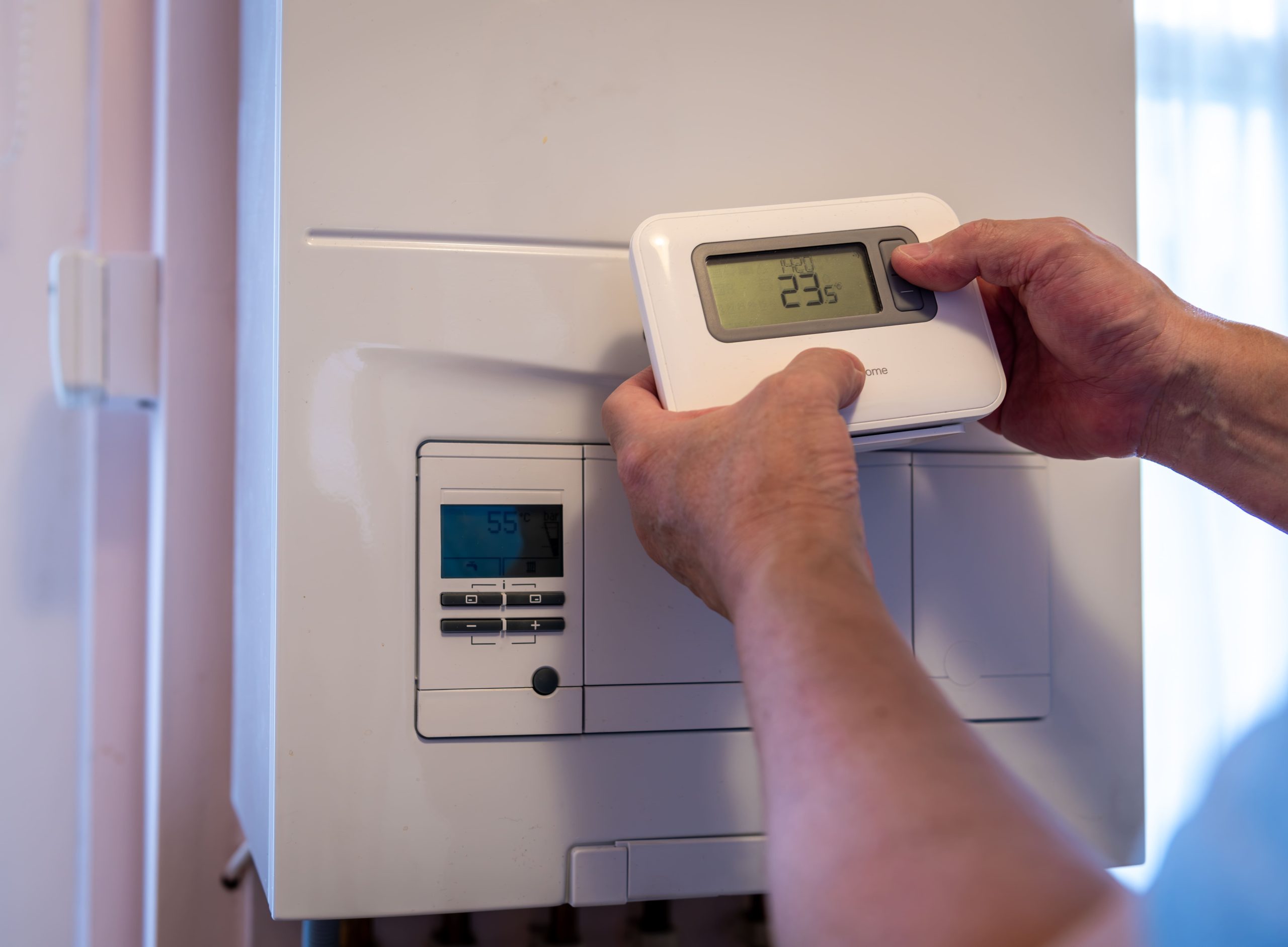
    Our client works within the energy sector, specialising in devices that can be retrofitted to heating control systems. These controllers cover commercial and industrial buildings and achieve energy efficiency improvements even on modern heating systems. The controllers need to communicate with the building’s BMS and optimise the Optimal Water Temperature using algorithms from their servers.

    Problem

    Our customer’s infrastructure needed to monitor the Optimal Water Temperature of the boiler, and then the algorithms would need to be able to control the boiler to achieve the most efficient temperature at any time.  It was not practical to utilise third party connectivity within the building.  Additionally, many buildings can no longer employ sufficient full time maintenance engineers to sufficiently monitor heating controls to achieve the energy cost savings.

    Solution

    Once our customer had explained the remote monitoring situation and advised that he had contracts in a wide geographical area across the country, the suggestion was to provide multi-network IoT data SIMs, which could be used to provide connectivity to the internet.  Existing solutions were fragmented and did not provide a comprehensive monitoring system.  Another issue was coverage – our client wanted one solution for all, which would also make for administrative efficiencies.  Our multi-network data SIMs roam across all four national networks and provide seamless connectivity for all monitoring needs.  The multi-network functionality of SIMs proves to be invaluable, especially in diverse locations where different networks are more robust depending on the area.  This feature guarantees uninterrupted connectivity regardless of the geographical location.  Our multi-network SIMs come with a SIM management portal which enables our customer to monitor their portfolio of SIMs and provides the complete control and flexibility they need.

    By implementing our SIM solution, our customer was able to scale and streamline their optimisation operations across a range of different use sites, leisure centres, office blocks, schools, public buildings etc.  They have reported an enhanced customer satisfaction rating and achieved significant cost efficiencies in energy management for their customers and their connectivity expenditure. Take the next step towards smarter, more efficient energy management by contacting us below to see how SIMs could keep your boiler system connected.