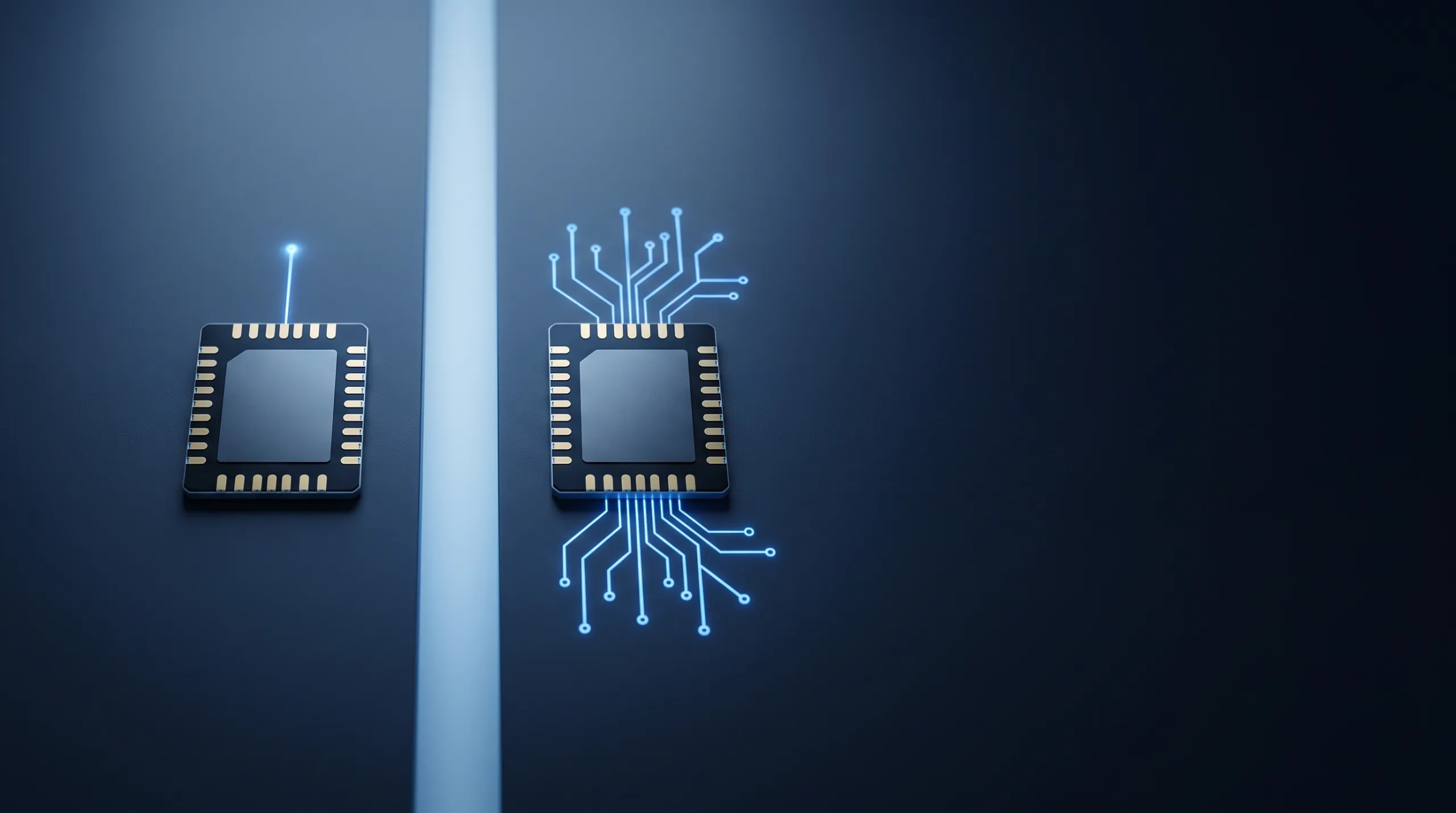
As technology in the IoT world advances. Enterprises are moving away from physical SIM cards toward programmable, software-defined connectivity. Two key standards driving this transformation are SGP.22 and SGP.32.
While both are part of the GSMA eSIM ecosystem, they serve different purposes and are designed for different types of connected devices and use cases. Understanding the difference is essential for businesses building scalable IoT and global connectivity strategies.
For companies like Anvil Mobile, choosing the right standard directly impacts scalability, cost efficiency, and global reliability.
What Is SGP.22?
SGP.22 is a GSMA specification that defines remote SIM provisioning (RSP) for consumer and general IoT devices. It enables devices to download and manage mobile network profiles over the air without needing a physical SIM swap.
In simple terms, SGP.22 allows a device to:
- Download a carrier profile remotely
- Store multiple operator profiles securely
- Switch networks without changing physical SIM cards
- Activate connectivity over-the-air
It is widely used in consumer devices like smartphones, wearables, and some IoT applications where connectivity requirements are relatively stable and less complex.
What Is SGP.32?
SGP.32 is a newer GSMA standard designed specifically for mass-scale IoT deployments. Unlike earlier standards, it focuses on automation, resilience, and intelligent connectivity management.
SGP.32 enables IoT devices to:
- Store multiple network profiles simultaneously
- Automatically switch networks based on connectivity conditions
- Support large-scale fleet management
- Enable intelligent fallback connectivity
- Operate across highly dynamic global environments
It is purpose-built for industries like logistics, transportation, energy, and industrial IoT, where devices must remain connected across borders and unpredictable network conditions.
SGP.22 vs SGP.32: Key Differences
Although both standards support eSIM-based remote provisioning, their design goals are fundamentally different.
1. Target Use Case
SGP.22 is optimised for consumer and general-purpose devices, while SGP.32 is designed specifically for large-scale IoT ecosystems such as global logistics fleets and industrial sensors.
2. Connectivity Intelligence
SGP.22 supports remote profile management, but decision-making is largely external. SGP.32 introduces embedded intelligence for automatic network selection and fallback behaviour.
3. Scalability
SGP.22 works well for moderate deployments, but SGP.32 is built for managing millions of devices across multiple regions and carriers.
4. Network Resilience
SGP.32 provides built-in fallback mechanisms that automatically restore connectivity, while SGP.22 relies more on manual or external orchestration.
5. Operational Complexity
SGP.22 reduces SIM dependency, but SGP.32 goes further by eliminating most manual connectivity management entirely.
Why SGP.32 Is Better for Modern IoT Deployments
Modern IoT deployments require connectivity that is as dynamic and scalable as the hardware itself. GSMA SGP.32 meets this standard by introducing autonomous, over-the-air profile management tailored for enterprise fleets. By equipping devices with intelligent fallback connectivity, SGP.32 ensures continuous operation, enabling hardware to automatically pivot to secondary networks the moment primary coverage degrades.
Beyond network reliability, SGP.32 streamlines global supply chain logistics and drastically reduces total cost of ownership. Enterprise organisations can manufacture and ship a single SKU globally, activating local carrier profiles dynamically without manual configuration or field maintenance. This shift eliminates expensive truck rolls, reduces operational overhead at scale, and maintains unbroken data streams across international fleets.
The Role of SGP.22 in the Ecosystem
Despite being older, SGP.22 still plays an important role in the connectivity landscape. It remains widely used in:
- Consumer devices such as smartphones and wearables
- Small-to-medium IoT deployments
- Applications with stable connectivity environments
However, as deployments grow more complex and global, many enterprises are transitioning toward SGP.32-based architectures.
How Anvil Mobile Supports Next-Generation IoT Connectivity
For Anvil Mobile, both SGP.22 and SGP.32 are key building blocks in delivering scalable global connectivity solutions.
Anvil Mobile enables enterprises to:
- Deploy eSIM-enabled IoT devices globally
- Manage multi-network connectivity through centralised platforms
- Improve resilience with intelligent fallback strategies
- Optimise carrier selection across regions
- Scale IoT deployments without physical SIM constraints
By using these standards, businesses can move toward fully automated, software-defined connectivity models.
SGP.22 and SGP.32 represent two stages in the evolution of eSIM technology.
SGP.22 simplifies connectivity by removing the need for physical SIM changes, making it ideal for consumer and general IoT applications. SGP.32, however, goes further by introducing intelligence, automation, and large-scale resilience designed for modern global IoT ecosystems.
For more info to how you can use these technologies to build reliable, scalable, and globally connected IoT infrastructures contact us below.
Leave a Reply