Category: Articles

  • 5G Multi-Network SIMs: One SIM, Four UK Networks

    5G Multi-Network SIMs: One SIM, Four UK Networks

    Experience uninterrupted connectivity with built-in network redundancy. Our 5G multi-network SIM cards automatically connect to the strongest signal, guaranteeing a reliable and consistent connection, whether you are in a bustling city or off the beaten path.

    Four UK networks on one SIM

    Vodafone
    Three
    EE
    O2

    Anvil 5G multi-network UK SIMs are un-steered and can use Vodafone, Three, EE or O2. They also work on multiple networks throughout the EU at the same costs. They use the standard SIM physical format with pop-outs for the smaller SIM sizes, and they are not the software driven embedded chipsets known as eSIMs.

    Why four networks beat one

    A single network only reaches as far as its own masts. When one SIM can roam across four networks, the gaps in one are covered by the others. The result is wider coverage, fewer dead spots, and a connection that holds where a single network would drop.

    Intelligent network switching

    You do not have to think about which network to pick. The SIM does it for you. It connects to the strongest available signal, and if that network weakens or a local mast fails, it moves to the next strongest network on its own. It is a simple decision for you, with full redundancy built in. Most people do not realise this is possible, and once they see it, going back to a single network feels like a risk.

    • Always on the strongest signal in range
    • Automatic switch when a network weakens or a mast fails
    • Falls back to 4G or 3G when 5G is not available
    • One simple decision for you, full redundancy built in

    Network options

    Anvil 5G multi-network SIMs provide a high level of resilience against network outages. If the live network fails because of a local mast issue, for example, the SIM connects to the strongest remaining signal. It can also revert to 4G or 3G carriers when 5G services are unavailable, creating unbreakable network connections.

    Manage it all with Cisco Jasper

    Cisco Jasper is our SIM management portal, recently enhanced to give you control over mobile operator selection through a clear, user friendly interface. You can select tariffs and re-determine network operators, with full control of your connectivity. The portal also provides real time monitoring and analytics, plus network level visibility of every connection and SIM.

    Built for life on the road

    Patchy signal is a familiar problem for anyone living or working from a vehicle. A multi-network SIM keeps you online as you move between coverage areas, switching networks as the landscape changes around you. If you are kitting out a camper or motorhome, see our Van Life and Motor Homes guide for the full connectivity setup.

  • Why SD-WAN Is the Future of Branch Networking

    Why SD-WAN Is the Future of Branch Networking

    For years, branch connectivity meant a single fixed line and a long wait whenever something went wrong. SD-WAN changes that by treating every available connection — fibre, 4G/5G, even Starlink — as part of one intelligent, self-healing network.

    What SD-WAN actually does

    Instead of routing all traffic down one pipe, SD-WAN continuously measures the health of each link and steers traffic over whichever path performs best in real time.

    • Automatic failover between fibre, mobile and satellite
    • Centralised policy and monitoring across every site
    • Application-aware routing for voice and card payments

    For any business running more than a handful of locations, SD-WAN is quickly becoming the default — not the upgrade.

  • 5G vs Starlink: Choosing the Right Failover

    5G vs Starlink: Choosing the Right Failover

    A good failover connection is invisible until the day it saves you. Choosing between 5G and Starlink comes down to where you are and what you are protecting.

    When 5G wins

    • Urban and suburban sites with strong coverage
    • Lower latency for real-time applications
    • Fast, simple deployment with a single router

    When Starlink wins

    • Remote or rural locations with no reliable mobile signal
    • Construction and temporary sites
    • High-bandwidth needs where mobile data is capped

    Many Anvil customers run both — 5G as the everyday backup, Starlink for true off-grid resilience.

  • 99.99% Uptime: Business critical operations and how to ensure you are always connected

    99.99% Uptime: Business critical operations and how to ensure you are always connected

    In today’s always-on digital world, connectivity downtime is no longer just an inconvenience—it’s a business risk. For IoT deployments, industrial systems, critical infrastructure, and global operations, even minutes of connectivity loss can lead to operational disruption, data gaps, safety issues, and financial loss.

    Achieving 99.99% connectivity uptime—often referred to as “four nines” availability—means limiting downtime to less than 53 minutes per year. While challenging, it is achievable with the right combination of architecture, technology, and operational discipline.

    This article outlines practical strategies to design, deploy, and operate connectivity solutions that consistently deliver ultra-high availability.

    From field services and logistics to IoT deployments and remote workforces, the choice between LTE and 5G can directly impact performance, cost, scalability, and long-term competitiveness. Understanding the differences—and where each technology shines—is key to making the right investment.

    What 99.99% Connectivity Uptime Really Means

    Before discussing how to achieve it, it’s important to understand what 99.99% uptime represents in real terms:

    • Per year: ~52.6 minutes of downtime
    • Per month: ~4.4 minutes of downtime
    • Per week: ~1 minute of downtime

    This level of availability leaves little room for error. Single points of failure, manual processes, or reactive monitoring will almost certainly prevent you from reaching this threshold.

    Ensuring 99.99% uptime requires proactive design and continuous management.

    1. Eliminate Single Points of Failure

    The fastest way to miss uptime targets is to rely on a single component—network, carrier, SIM, or platform.

    To improve resilience:

    • Use redundant connectivity paths
    • Avoid dependency on a single mobile network operator
    • Design systems to fail over automatically, not manually

    In IoT and distributed systems, redundancy should exist at multiple layers:

    • Network layer
    • Device connectivity
    • Backend infrastructure
    • Power and physical access (where applicable)

    If any one component fails, another must take over seamlessly.

    2. Use Multi-Network and Multi-Carrier Connectivity

    Single-network connectivity cannot guarantee four-nines availability, especially in mobile or geographically distributed deployments.

    Multi-network SIMs and multi-carrier strategies allow devices to:

    • Automatically switch to another network if signal quality degrades
    • Avoid outages caused by local carrier failures
    • Maintain service during maintenance windows or regional disruptions

    This approach significantly reduces the impact of network-specific incidents, which are one of the most common causes of downtime.

    For critical applications, dual-SIM or dual-modem designs can provide an additional layer of resilience.

    3. Design for Intelligent Failover

    Redundancy alone is not enough—failover must be intelligent, fast, and automated.

    Key principles include:

    • Real-time network quality monitoring
    • Clear thresholds for switching networks
    • Policy-based decision-making (latency, packet loss, signal strength)
    • Seamless session continuity where possible

    Failover that requires human intervention or delayed decision-making often results in unacceptable downtime. Automation is essential for meeting strict uptime targets.

    4. Monitor Connectivity in Real Time

    You cannot ensure high uptime without visibility. Continuous monitoring allows teams to detect issues before they become outages.

    Effective connectivity monitoring should include:

    • Network availability and signal quality
    • Data usage anomalies
    • Registration failures and reconnection attempts
    • Latency and packet loss trends

    Real-time dashboards, alerts, and historical analytics enable proactive intervention—often resolving issues before end users or systems are affected.

    5. Build Resilience Into the Device Layer

    Connectivity uptime is influenced not only by networks, but also by device behavior.

    Best practices include:

    • Robust connection retry logic
    • Graceful handling of intermittent connectivity
    • Local buffering of data during outages
    • Edge processing to reduce dependency on constant connectivity

    Devices should be designed to survive temporary disruptions without data loss or functional failure. This is especially important in remote or mobile environments.

    6. Leverage Edge Computing and Local Decision-Making

    One of the most effective ways to improve perceived uptime is to reduce reliance on continuous cloud connectivity.

    Edge computing enables devices or gateways to:

    • Process data locally
    • Make decisions without round-trip latency
    • Continue operating during network disruptions

    By pushing intelligence closer to the device, systems can remain functional even when connectivity is degraded—dramatically improving overall availability.

    7. Secure Connectivity Without Adding Friction

    Security misconfigurations are a common but overlooked cause of downtime. Expired certificates, failed authentication, or blocked connections can disrupt service just as effectively as a network outage.

    To avoid security-related downtime:

    • Automate certificate and credential lifecycle management
    • Use standardized, well-supported security protocols
    • Monitor authentication and authorization failures
    • Avoid manual configuration wherever possible

    High availability and strong security are not mutually exclusive—but they must be designed together.

    8. Plan for Geographic and Regulatory Complexity

    Global deployments introduce additional risks to uptime, including:

    • Regional network variability
    • Regulatory restrictions on roaming
    • Local infrastructure differences

    Ensuring 99.99% uptime across regions requires:

    • Local network access where possible
    • Compliance with roaming and data regulations
    • Flexible provisioning models (eSIM, remote SIM management)

    A global connectivity strategy must be adaptable, not rigid.

    9. Test for Failure, Not Just Success

    Many systems work perfectly—until something goes wrong.

    To achieve four-nines uptime, teams must actively test failure scenarios, including:

    • Network outages
    • Carrier degradation
    • Backend service failures
    • Power interruptions

    Regular stress testing and fault injection help validate that redundancy and failover mechanisms work as intended under real-world conditions.

    If failure modes are not tested, they will eventually be discovered in production—often at the worst possible time.

    10. Establish Clear Operational Ownership

    High uptime is not just a technical challenge—it’s an operational one.

    Organizations should define:

    • Clear ownership for connectivity performance
    • Escalation paths for incidents
    • Service-level objectives (SLOs) and error budgets
    • Continuous improvement processes
    • A trusted service provider who has appropriate knowledge, products and services to provide 99.99% uptime

    Without operational accountability, even well-designed systems will degrade over time.

    Conclusion

    Achieving 99.99% connectivity uptime is not about perfection—it’s about resilience. By eliminating single points of failure, adopting multi-network connectivity, automating failover, and continuously monitoring performance, organizations can dramatically reduce downtime and operational risk.

    In a world where connected systems are increasingly mission-critical, high availability is no longer a luxury. It is a baseline expectation.

    Organizations that invest in resilient connectivity architectures today will be better positioned to scale, compete, and innovate tomorrow.

    Want to talk connectivity for business? Get in touch below

  • Five Camera IoT use cases

    Five Camera IoT use cases

    The Internet of Things (IoT) has ushered in a new era of connectivity, transforming everyday objects into smart, interconnected devices. Among these advancements, cameras have emerged as pivotal instruments, serving various sectors with innovative applications. From enhancing public safety to broadcasting, IoT-enabled cameras are redefining surveillance and monitoring practices worldwide. Let’s delve into five key use cases that highlight the versatility and impact of IoT connectivity in camera technology.

    1. Security Cameras: A Pillar of Modern Surveillance

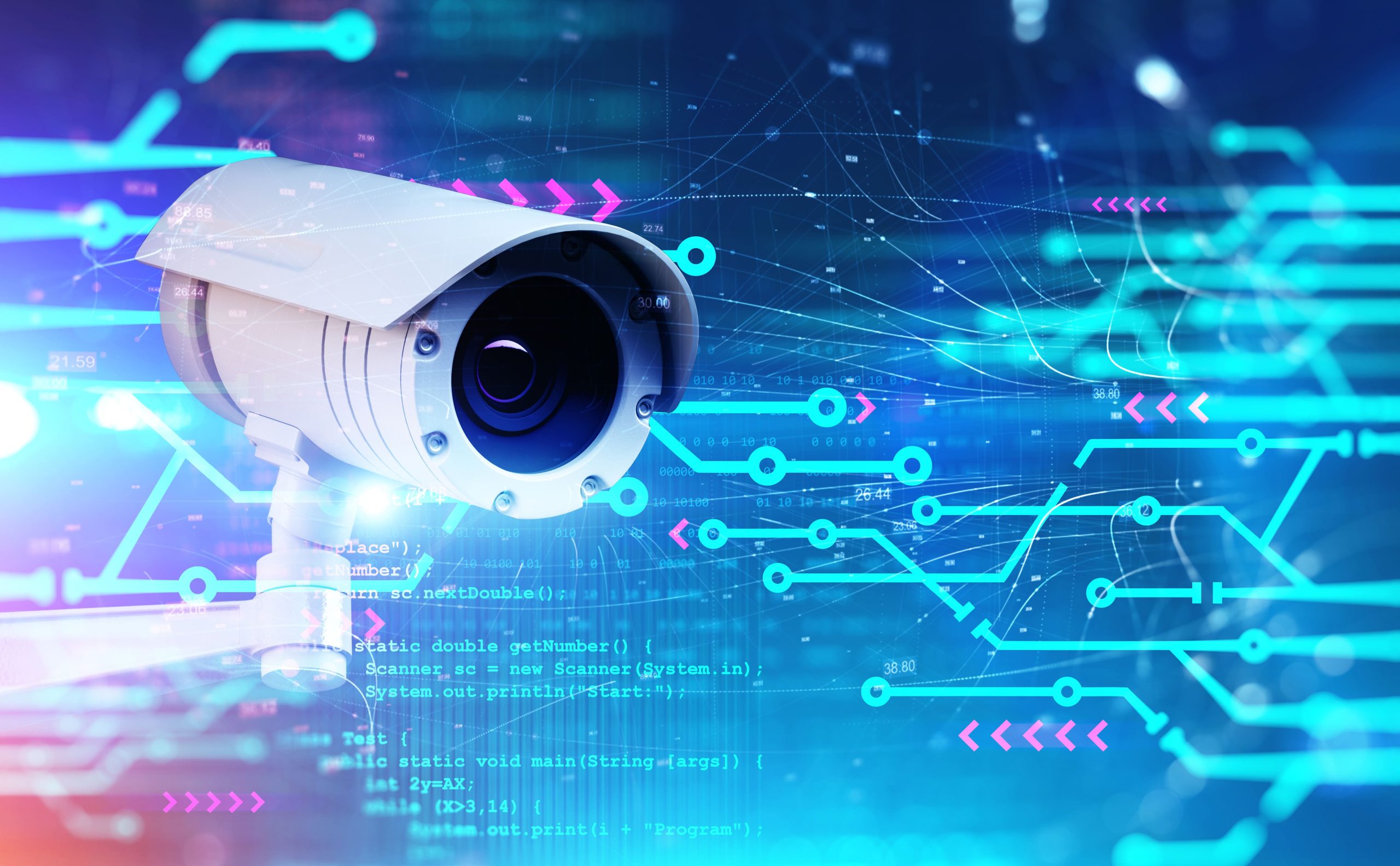
    Security cameras have long been the linchpin of surveillance systems for public institutions and private entities. IoT has elevated its functionality today, enabling CCTV security firms to deliver more sophisticated and efficient solutions. Through multi-network IoT connectivity, these cameras can stream high-quality video data in real-time, ensuring that monitoring is seamless and uninterrupted. Remote access capabilities allow security personnel to manage and control these systems from anywhere, enhancing the responsiveness to incidents and potential threats. This evolution in security cameras bolsters the safety of premises and provides peace of mind to individuals and businesses alike.

    2. ANPR Cameras: The Backbone of Traffic Management

    Automatic Number Plate Recognition (ANPR) cameras represent a leap forward in traffic management and law enforcement. In areas where wired connectivity can’t reach, IoT connectivity is being used.  These IoT-enabled devices can automatically detect and read vehicle number plates, facilitating everything from congestion charging to identifying uninsured vehicles. By integrating these cameras with broader traffic management systems, authorities can monitor and regulate traffic flow in real-time more effectively, enhancing road safety and reducing congestion. The real-time data from ANPR cameras also supports predictive policing efforts, allowing for a more proactive approach to traffic enforcement and public safety.

    3. Speed Cameras: Promoting Road Safety

    Speed cameras are crucial tools in the quest to mitigate road accidents and enforce speed limits. With IoT connectivity, these cameras have become more efficient in detecting speeding vehicles and transmitting data instantaneously to law enforcement agencies. This real-time feedback loop enables quicker responses to violations, serving as a deterrent to reckless driving. Moreover, the data collected by these IoT-connected speed cameras can be analysed to identify high-risk areas and inform road safety strategies, ultimately contributing to a safer driving environment.

    4. Broadcasting: Revolutionising Media Production

    In the realm ofmedia and broadcasting, IoT-enabled cameras are transforming how content is produced and delivered. These smart cameras can stream live footage directly to the internet, opening up new possibilities for remote reporting and event coverage. The ability to control these cameras remotely ensures broadcasters can capture high-quality content from multiple angles without requiring extensive on-site personnel. This not only reduces production costs but also enhances the viewer’s experience by providing diverse and dynamic perspectives.

    5. Wildlife Conservation: Advancing Conservation Efforts

    IoT connectivity has also found a unique application in wildlife conservation through animal monitoring and surveillance cameras. These devices allow researchers and conservationists to observe and study animals in their natural habitats without human intrusion. The footage provides valuable insights into animal behaviours, population dynamics, and environmental conditions. Additionally, these cameras play a critical role in anti-poaching efforts, enabling real-time monitoring of protected areas and facilitating swift responses to threats. By leveraging IoT technology, conservation efforts can be more targeted and effective, contributing to the preservation of biodiversity.

    The integration of IoT connectivity in camera technology has opened up a plethora of opportunities across various sectors. From bolstering security measures to enhancing media production and supporting wildlife conservation, IoT-enabled cameras are at the forefront of technological innovation. As this technology continues to evolve, we can anticipate even more creative and impactful applications please contact us below with any camera enquiries a member of our team will be happy to help.

  • CCTV & security surveillance in IoT

    CCTV & security surveillance in IoT

    With CCTV first coming out in the early 1900s, there have been many changes over the years. The increasing integration of smart technology into our daily lives is causing new camera innovations like doorbell cameras, facial recognition, ANPR, and motion detection, and it’s even changing the way traditional CCTV is set up. Traditionally, CCTV setups often grapple with limitations such as the necessity for wired internet connections, posing challenges in installation and maintenance.

    Challenges with old CCTV & Surveillance

    The limitations of cable-based systems, particularly in remote and rural areas where access to fixed-line internet is limited or non-existent, drive this change. For example, with ANPR cameras, a fixed line isn’t available in some locations, so they cannot use IoT SIMs for connectivity. The cost of laying cables over long distances and the diminished bandwidth over extended lines can render video surveillance ineffective when speeds drop below a certain threshold.

    IoT and CCTV Crossroads:A Smooth Integration

    IoT has redefined how devices interact and function in CCTV & surveillance, it has advantages that have improved the overall operation, allowing CCTV cameras to go beyond their conventional functions and become smart devices with sophisticated features like motion detection, temperature monitoring, face recognition, Automatic Number Plate Recognition (ANPR),

    Integrating IoT with CCTV systems unlocks many advantages for security and monitoring capabilities. IoT facilitates real-time remote access to monitoring without the constraints of physical presence. Moreover, remote access facilitates the quick resolution of technical issues, such as camera malfunctions or network disruptions, without needing physical presence on-site.

    These SIM cards enable internet connectivity without the reliance on wired connections, streamlining installation processes and easing maintenance tasks.

    Security

    Cameras are now much more than just a video feed. connectivity is becoming increasingly important, and the amount of data these devices use is increasing daily. Ensuring your CCTV system has a secure and consistent connection to the network and can transmit video data is crucial. Secure, reliable connectivity reduces the risk of outages, which can lead to security breaches and lost footage

    Adding a VPN is essential in improving security, whether done via an OpenVPN connection or Protocol Security (IPSec) for site-to-site communications. However, depending only on a VPN does not provide a complete security system. Using a firewall to control undesired internet traffic is another essential component of a comprehensive system. This configuration guarantees that only bidirectional connection between the IoT device and the client organisation’s servers is made possible by the fixed static IP. In essence, it allows users to retrieve data as needed by granting exclusive remote access to the relevant ports of the IoT device.

    It goes without saying that if security cameras are not linked to a trustworthy and safe network, they might become vulnerable. Hacking, malware, and other cyberattacks have the potential to seriously compromise security systems and endanger human life. Security camera connections must be made via powerful, dependable, secure networks, and data must be encrypted between devices.

    Here at Anvil, we specialise in providing secure and reliable connectivity for your CCTV cameras, if you need help adding connectivity infrustruce to your cameras fill in the form below and we will be in touch!

  • Internet bonding for streamers

    Internet bonding for streamers

    In the world of remote working and social media and live streaming has taken off, with it now being some people’s prime income. A consistent, high-quality connection is paramount. Viewers expect seamless experiences with no buffering or a drop in quality. This is where the Internet of Things (IoT) and bonding/failover technologies come into play.

    What is bonding and failover?

    While IoT provides the tools for capturing and transmitting high-quality content, bonding and failover technologies ensure the delivery of this content is uninterrupted and reliable.

    Bonding is a technology that allows streamers to combine multiple internet connections into one super-fast and reliable connection. This means if one connection fails or is slow, the stream doesn’t suffer because the other connections pick up the slack. This is crucial for streamers who need to maintain a constant, high-quality stream without buffering or interruptions.

    Failover, on the other hand, is a backup operational mode in which the functions of a system switch over automatically to a secondary system when the primary system fails. In the context of streaming, this could mean an automatic switch to a backup server if the primary server fails. This ensures that the stream continues even in the event of technical difficulties.

    Together, bonding and failover provide a safety net for streamers, ensuring their content is delivered smoothly and reliably, no matter what.

    What connectivity can I bond with IoT?

    With IoT connectivity, a variety of different internet connections can be bonded to create a robust and reliable network. This includes traditional broadband connections like broadband or cable, mobile networks such as 4G or the increasingly available 5G, and even satellite connections. In addition, public Wi-Fi networks can also be bonded with your private connections to increase bandwidth but wouldn’t advise that. The process of bonding these connections is seamless, providing a stable and high-speed internet connection. This is particularly beneficial in areas with poor connectivity, as the system can dynamically switch between different connections based on their performance, ensuring the most efficient use of available resources.

    Here are 3 IoT use cases where bonding and failover can be used:

    Use Case 1: Live Event Streaming

    Live events, such as concerts, sports events, or conferences, require high-quality, uninterrupted streaming to reach viewers worldwide. Bonding technology allows the use of multiple internet

    connections simultaneously, ensuring consistent streaming quality even if one connection fails or is slow. If a primary connection fails during a live event, failover technology ensures an automatic switch to a backup connection, preventing any disruption in the live stream.

    Use Case 2: Online Gaming and Esports Broadcasting

    In the world of online gaming and esports, lag-free streaming is crucial for both gamers and viewers. Bonding can combine different internet connections (like Wi-Fi and cellular data) into a single, super-fast connection, drastically reducing lag and buffering. Failover plays a critical role during tournaments, where a server failure could disrupt the game. Automatic failover to a backup server ensures the gaming experience remains smooth and uninterrupted.

    Use Case 3: Remote Work and Virtual Meetings

    As remote work becomes more prevalent, virtual meetings and webinars have become common. In these scenarios, a stable and reliable internet connection is essential. Bonding allows for a combination of home Wi-Fi and cellular data to create a robust and reliable connection, ensuring smooth video and audio quality. If the primary connection fails during an important meeting or presentation, failover technology ensures a seamless switch to a backup connection, minimizing disruption and maintaining professionalism.

    Why SD-Wan Pro is perfect for bonding and failover

    Internet bonding and failover can be instrumental in enhancing your organisation’s online performance and reliability. Depending on your specific requirements, these solutions could be perfect for maintaining optimal uptime and consistent service delivery under any circumstances. Our newly unveiled SD-WAN Pro solution offers both internet failover and bonding within a single router. This enables you to merge multiple cellular, broadband, and satellite connections to create the most robust internet connectivity possible.

    In conclusion, IoT and bonding/failover technologies are vital tools for streamers. IoT technologies provides the means to capture and transmit high-quality content, while bonding and failover ensure this content is delivered reliably and without interruption. As live streaming continues to grow in popularity, these technologies will only become more important.

  • The Impact of IoT in Healthcare: Exploring Four Key Use Cases

    The Impact of IoT in Healthcare: Exploring Four Key Use Cases

    The Internet of Things (IoT) has made a significant impact across various industries, and healthcare is a prominent beneficiary. Through the integration of connected devices and data analytics, IoT is revolutionising patient care and operational efficiency. In this blog post, we’ll delve into five use cases of IoT within the medical sector: remote patient monitoring, digital medical records, tracking of medical assets, and smart wearables for health monitoring.

    1. Tracking of Medical Assets

    In the fast-paced environment of a hospital, the ability to track medical assets efficiently can significantly enhance patient care and operational efficiency. Whether it’s tracking the location of wheelchairs, monitoring the storage conditions of sensitive drugs, or managing inventory levels of medical supplies, IoT is making it possible.

    IoT-enabled asset tracking systems use technologies like RFID, GPS, and sensors to monitor the location, condition, and availability of various medical assets in real-time. This not only prevents loss or misplacement but also ensures that vital equipment or medication is always available when needed.

    2. Digital Medical Records

    Through the Internet of Things (IoT), patients’ health data can be smoothly incorporated into a digital health record, known as Electronic Medical Records (EMR) or Electronic Health Records (EHR). These records are accessible via web and mobile applications. This integration enables easy sharing of patient information among healthcare professionals, providing them with information like previous injuries, if they take any medication helping healthcare professionals make more effective and informed treatment decisions.

    3. Smart Wearables for Health Monitoring

    Smart wearables have become increasingly popular in recent years, providing individuals with a proactive approach to manage their health. From fitness bands that track physical activity and sleep patterns to smartwatches capable of detecting irregular heartbeats, these devices are empowering individuals to take control of their health.

    These wearables collect a wealth of data, which can provide valuable insights into an individual’s health. With the ability to share this data with healthcare providers, potential health issues can be detected early, and personalized care plans can be developed. Furthermore, the real-time data collection allows for timely intervention if any sudden health concerns arise.

    4. Remote Patient Monitoring

    Remote patient monitoring is a clear demonstration of how IoT is transforming healthcare. Through IoT-enabled devices, doctors can monitor patients’ health data in real-time without being physically present. This technology is especially beneficial for monitoring chronic conditions, post-surgery recovery, or elderly patients who may have difficulty with frequent hospital visits.

    These devices collect vital data such as heart rate, blood pressure, blood sugar levels, and more, transmitting it to healthcare professionals for analysis and timely intervention. The real-time nature of this data transfer enables swift response to any sudden changes in the patient’s condition, potentially saving lives.

    IoT is making significant strides in the healthcare industry, improving patient care, enhancing operational efficiency, and facilitating proactive health management. As technology continues to evolve, the possibilities for IoT in healthcare are limitless. The five use cases discussed in this blog post represent just the tip of the iceberg, signalling a promising future for healthcare in the digital age