Category: Articles

  • How IoT is making a change in the Digital Signage industry

    How IoT is making a change in the Digital Signage industry

    Businesses are fighting to provide a more engaging digital experience to market to potential customers, raise brand awareness, and keep consumers. Digital signage is a modern way for businesses to do this. However, digital signage doesn’t have to be for marketing purposes; it can be used to display general information or communicate with the public. Businesses are using IoT connections to make their digital signage work harder. In this blog, we will explore why IoT is being used in digital signage and its benefits.

    What are IoT SIMs?

    Before we explore their impact on digital signage, we must understand what IoT SIMs are. An IoT SIM card functions similarly to the SIM cards used in mobile phones but is designed specifically for IoT devices and business use, whereas the SIMs you use on your phone are designed for consumer use. These SIMs provide connectivity to the internet via cellular networks, enabling devices to communicate with each other and central systems without needing a Wi-Fi connection. This capability is particularly beneficial for devices located in areas where Wi-Fi is unreliable or unavailable.

    Why IoT connectivity is being favoured

    Whether it was banners, posters, or billboards, typically static signage was the most popular way of signage. Businesses would display their signs in key locations. It was a simple yet effective solution to get your message or brand or message across, but static signs require manual work for the installation and general maintenance.

    IoT offers flexibility, companies have the ability to make real-time changes over the air with connected media players. It’s one of its most important applications because it changes the signage process. Get your poster made and book an engineer to install and maintain it. Now, companies can monitor, change, and even offer other services thanks to IoT.

    The Role of Multi-Network Connectivity in Digital Signage

    Multi-network SIMs have the ability to connect to multiple networks, keeping a connection even in areas with poor coverage from a network. They automatically switch to the strongest available network, ensuring your digital signage remains operational and practical.

    Uninterrupted connectivity is paramount in the world of digital signage. Imagine a digital billboard down because the connection is not working, and it defeats the whole purpose.  In such scenarios, relying on a single connection can lead to connectivity issues due to network blind spots.

    Cellular connectivity solves this for digital signage; it allows signs to be crucial for areas that can’t get a wired connection and Wi-Fi connections aren’t strong enough to rely on.

    Another way multi-network SIMs are used is for failover; you can have a primary connection and have a router or SD-WAN box with a SIM card. It changes over to the backup connection if the primary fails or delivers slowly.

    Secure your signs

    You require reliable and secure connections to get the most from your IoT-driven signage. This is where we step in. Our IoT connectivity gives your signage a foundation to run on.With fixed IP SIMs, VPN access, and encryption, you can have peace of mind knowing that your content and customer data are always safeguarded.

    Ensuring secure mobile connectivity is crucial for the success of IoT digital signage. Networks must be protected, with devices linked via fixed IP addresses and VPN access to shield data from cyber threats. VPNs establish a secure passage between the network and the device, making it challenging for cybercriminals to intercept data. By employing end-to-end encryption, privacy is ensured, and valuable data is safeguarded. Access to your displays is further regulated through dedicated protocols to prevent unauthorised tampering or entry. With secure mobile connectivity, businesses can feel confident that their digital signage content and data are shielded.

    For any inquiries regarding connectivity in digital signage, contact us below, and a member of staff will be with you shortly

  • How IoT-connected EPOS systems have become a must-have for retailers post-COVID:

    How IoT-connected EPOS systems have become a must-have for retailers post-COVID:

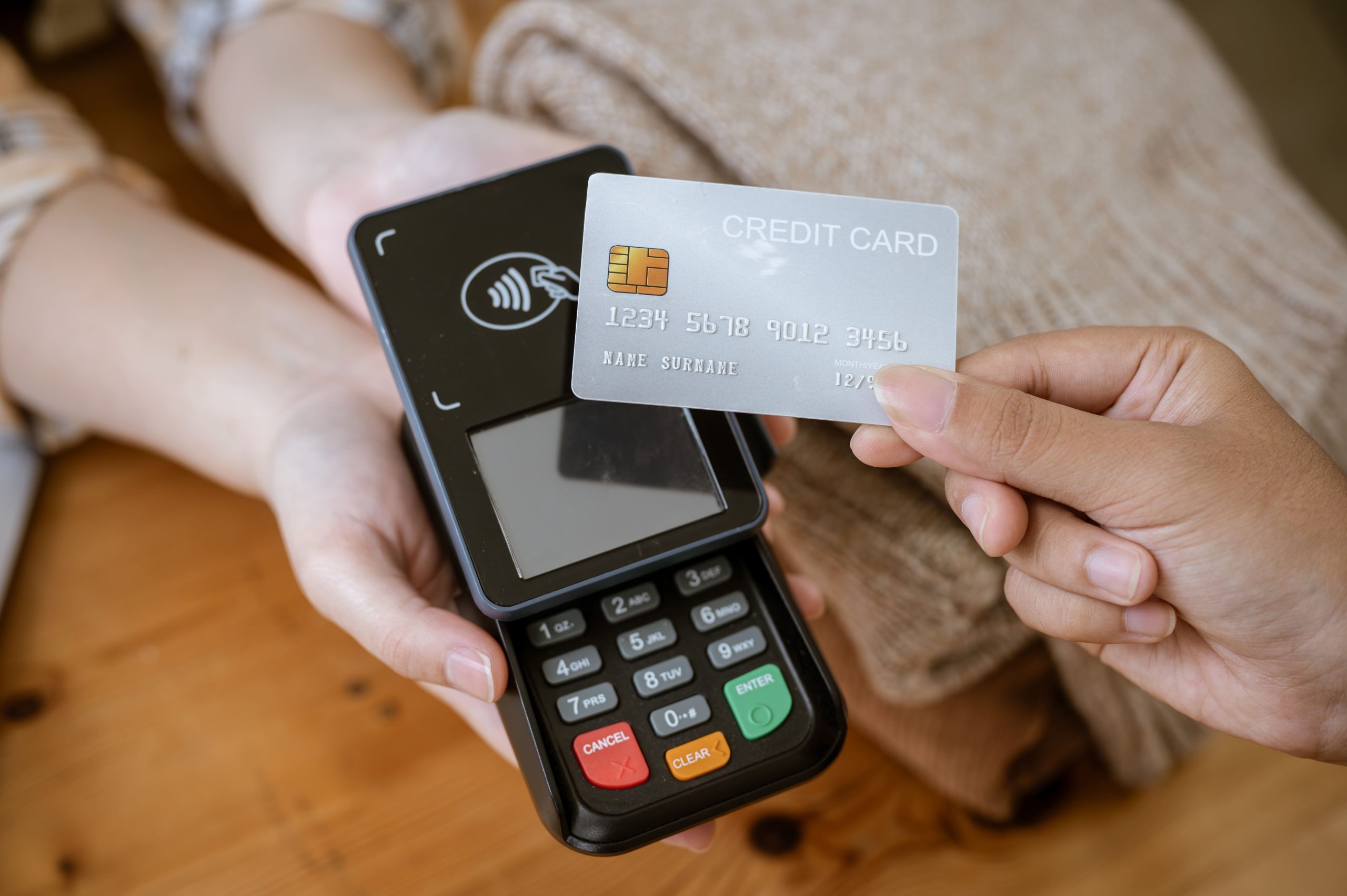
    The COVID-19 pandemic has severely impacted the retail industry worldwide, people were very hesitant to use cash during that time. The crisis has accelerated the adoption of digital solutions across retail facilities, from supermarkets to convenience stores. IoT-powered technologies enable data-driven retail capabilities, such as EPOS systems, or electronic point-of-sale systems, have become a must-have for retailers post-COVID. These advanced systems have become critical not only in managing day-to-day operations but also in enhancing the overall shopping experience.

    Physical stores remain a crucial component of the retail industry. Still, their role is changing as they increasingly become multi-purpose locations that offer experiences to enhance the shopping experience, such as click-and-collect services, pop-up shops, same-day deliveries, and human-less payment tills. If you’re considering incorporating IoT connectivity into your retail business but desire a deeper understanding of how IoT capabilities can streamline processes, yield business advantages, and more, then this article is tailored for you.

    the need for online payment has changed in the retail industry; EPOS isn’t just crucial in physical retail supermarkets and shop stores. Nowadays, they are needed in multi-functional spaces that offer enhanced shopping experiences. For instance, pop-up shops, festivals, and markets events all require EPOS systems to set up temporary retail environments that can process transactions as efficiently as a permanent store

    Cellular Connectivity’s Role in Pop-up Shops

    For mobile EPOS systems and pop-up retail outlets, multi-network SIMs are crucial. Their data roaming capabilities enable retailers to sustain Connectivity even when outside their regular network coverage zone. This feature is exceedingly beneficial for retailers operating pop-up shops at events or festivals, where obtaining reliable internet connectivity can be problematic. The advantages of multi-network SIMs extend beyond mere data roaming capabilities. Access to multiple networks lets retailers use the best network coverage and pricing available in a specific area. This is particularly advantageous for retailers functioning in remote or rural locations, where network coverage might be sparse. In addition, multi-network SIMs aid retailers in achieving superior load balancing across multiple networks, ensuring their mobile EPOS system or pop-up shop isn’t overwhelmed with traffic. This strategy helps to reduce the risk of connection failure or lag, guaranteeing swift and efficient transaction processing. If you’re a retailer seeking a connectivity solution for your EPOS system, don’t hesitate to get in touch. A member of our team will be more than happy to assist you.

    Here are some of the benefits connectivity provides in an EPOS system:

    • Improved Inventory Management: IT technology allows for real-time tracking of inventory levels, reducing the likelihood of stock shortages or overstocking. This leads to more efficient supply chain management and lower operational costs.
    • Enhanced Customer Experience: IoT-enabled EPOS systems can gather data on customer purchasing habits, allowing businesses to personalise their offerings and improve customer service. This could include personalised discounts or product recommendations based on past purchases.
    • Streamlined Operations: Through automation of tasks such as stock replenishment and sales reporting, IoT can drastically reduce the manual workload, leading to increased efficiency and productivity.
    • Detailed analytics on your customers: The data collected by IoT devices can provide valuable insights into sales trends, customer behaviour, and more. These insights can inform strategic decisions and drive business growth.
    • Increased Security: IoT devices can enhance security at the point of sale by monitoring for fraudulent transactions and alerting businesses to any unusual activity. This can help prevent loss and protect the company and its customers.
    • Backup Connectivity: If the Wi-Fi in the shop goes down, you will have the option to switch to a cellular connection and will still be able to take payments.
    • Upgrade in Services: Many businesses offer click-and-collect services, human-less payment, and same-day delivery services because of EPOS’s ability to coordinate orders, dispatch, and delivery schedules. Furthermore, many stores are moving towards autonomous payment tills, reducing the need for manned checkout lines and speeding up the purchase process.

    Understanding Failover: Its Significance and Role in EPOS Devices

    The inclusion of multi-network connectivity in EPOS devices presents a considerable advantage, primarily due to their role in failover – a mechanism that ensures a backup connection is available if the primary one fails. Failover is particularly vital for retailers who use Wi-Fi as their main connectivity method. While generally reliable, Wi-Fi can be affected by external factors such as severe weather or nearby construction work, causing disruptions and potentially leading to lost sales. Cellular data, in contrast, provides a more dependable option for failover backup solutions, maintaining stable Connectivity even under challenging conditions. By integrating SIM cards into wireless payment terminals, retailers can keep service running for their customers, even when the primary internet connection fails. This approach helps mitigate potential business losses arising from connectivity issues. Furthermore, the ability of SIM cards to support multiple carriers allows retailers to switch between providers, securing optimal coverage and cost-effectiveness in their locale.

    For retailers seeking reliable connectivity to power their EPOS systems, we have expertise in the retail industry we have an array of connectivity solutions. If you’re interested in using Anvil Mobile’s services for your retail business, don’t hesitate to get in touch. A member of our team will be available to assist you promptly with any enquiries or support you need.

  • Why Choose Anvil for Your IoT Hardware?

    Why Choose Anvil for Your IoT Hardware?

    We are a UK-based provider of IoT connectivity solutions, specialising in IoT hardware, SD-WAN technology, and mobile connectivity services. With a focus on delivering high-performance, secure, and scalable solutions, we offer a wide range of products, including 4G and 5G IoT routers, IoT SIM cards, and SD-WAN devices, all designed to ensure reliable and uninterrupted connectivity, whatever your use case.

    What to look for when deciding on hardware

    When searching for IoT hardware solutions, several key factors must be considered to ensure you choose the right connectivity for your needs. First is what connectivity your hardware is for. For example, if you buy a 3G router, you won’t be able to use it that much as networks are beginning to sunset 2G & 3G connectivity. coverage is essential make sure the network is available where you plan to deploy. Bandwidth is another critical aspect, as the solution must be able to handle the volume and types of data your devices will transmit. Power consumption should be considered as well, particularly for battery-powered devices, to ensure efficient operation. Cost is always a factor, including the need to maintain infrastructure and the expenses associated with data usage. Data throughput is important, too, as the network must support the required data capabilities. Mobility should also be evaluated, ensuring that your devices can operate while on the move and at the speeds you need. Don’t forget latency low delay is crucial for many IoT applications. Another thing to consider is whether your device is needed indoors or outdoors, especially for environments like basements or metal buildings where signal strength can be affected. Security is vital, so ensure the network provides strong protection against misuse and unauthorised access. Finally, look into redundancy options to ensure backup connectivity in case of network failures, keeping your devices up and running at all times.

    What is an IoT Router?

    An IoT router is a specialised piece of hardware that facilitates communication between IoT devices and the broader internet or private networks. These routers are designed to handle the unique requirements of IoT devices, such as managing large amounts of data traffic, ensuring secure connections, and supporting various communication protocols. An IoT router acts as a bridge, directing traffic between devices and ensuring data is transmitted efficiently, securely, and with minimal latency.

    An IoT router is essential for businesses looking to scale their IoT infrastructure. It ensures that devices can communicate effectively over long distances, even in remote areas, and allows organisations to centralise data management for analysis and decision-making. With the right IoT router, businesses can run more efficiently and improve the overall performance of their IoT ecosystem.

    What is a 5G IoT Module?

    A 5G IoT module is a small device that helps connect things like sensors, machines, or devices to the internet. It allows the hardware to send and receive data, making them “smart” and able to communicate with other devices or systems. For example, an IoT module could enable a smart thermostat to send temperature information to your phone or let a fridge report its temperature to a maintenance team. These modules are essential for making everyday objects part of the (IoT).

    What is SD-WAN?

    Software-Defined Wide Area Networking (SD-WAN) is a modern network solution that helps businesses simplify, optimise, and secure their wide area networks (WAN). SD-WAN enables businesses to bond various types of connectivity, such as traditional wired broadband, 4G, 5G, satellite, and wireless, into one unified connection. This flexibility allows businesses to prioritise reliable, high-performance connections across multiple locations, ensuring smooth operations. Additionally, SD-WAN offers failover, automatically switching to a backup connection if the primary one fails, ensuring continuous connectivity and minimal downtime.

    Reliability and Durability

    Reliability and durability are paramount when it comes to IoT hardware. IoT devices are often deployed in environments where conditions can be harsh, including extreme temperatures, humidity, and exposure to dust or vibrations. For IoT networks to function effectively, the hardware needs to be able to withstand these conditions without failure.

    Anvil understands the importance of building products that are not only high-performing but also resilient. The company’s IoT hardware solutions are engineered with durability, ensuring they can operate in challenging environments without compromising performance. Whether you’re deploying IoT devices in the industrial, automotive, healthcare, or agricultural sectors, Anvil’s hardware is designed to meet the toughest requirements and ensure that your IoT network remains operational and reliable.

    Whether you’re looking for an IoT router, 5G IoT module, or SD-WAN solution, Anvil offers a wide array of IoT hardware products; we have you covered with a wide range of products. Contact us below, and one of our in-team experts will be happy to help you

  • Why SD-WAN PRO is Perfect for Bonding and Failover

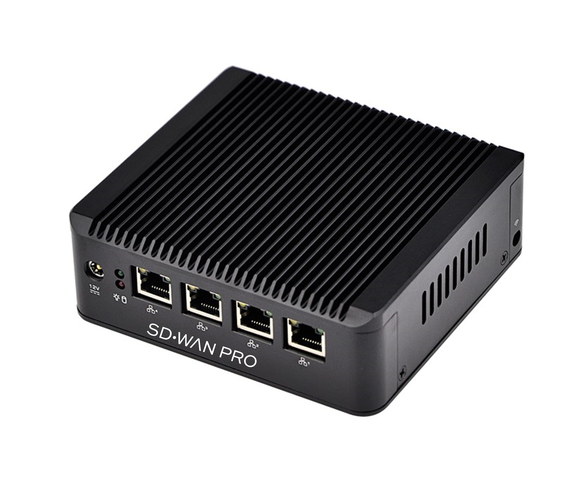
    Why SD-WAN PRO is Perfect for Bonding and Failover

    Businesses are more reliant than ever on stable and uninterrupted internet connectivity. A consistent and high-performance internet connection is crucial for maintaining operations for remote office work, cloud-based applications, or real-time communications. Let’s explore why SD-WAN PRO is the perfect solution for businesses seeking bonding and failover connectivity.

    What is SD-WAN?

    Software-Defined Wide Area Networking (SD-WAN) is an advanced network architecture that enables businesses to simplify, optimise, and secure their wide area network (WAN). SD-WAN allows businesses to combine different types of internet connections, such as traditional wired broadband, 4G, 5G, satellite, and even wireless, into a single, unified service. This flexibility allows businesses to prioritise reliable, high-performance connections while maintaining operations across multiple locations.

    Anvil Mobile’s SD-WAN PRO uses this technology to provide businesses with a comprehensive solution that ensures bonding and failover capabilities. By integrating these features, SD-WAN PRO ensures businesses experience minimal disruption, even in the event of an internet connection failure.

    How Failover Works with SD-WAN PRO

    Failover is a critical feature for businesses that cannot afford downtime due to internet failures. Traditional internet backup solutions, such as 4G/5G routers, offer a basic failover mechanism. In this approach, when the primary broadband connection goes down, a backup 4G or 5G router can be used to maintain internet connectivity. However, these solutions can have limitations, such as using different IP addresses, which can disrupt services like remote access, VPNs, VoIP telephony, and CCTV systems.

    Anvil Mobile’s SD-WAN PRO addresses these limitations by unifying multiple internet services under a single IPv4 IP address. When one connection fails, the SD-WAN solution automatically switches to the next available connection, ensuring the business stays online. The unique feature here is that the public IP address remains the same, meaning there is no disruption to remote access, VPNs, or VoIP services, making it a truly uninterrupted experience.

    This failover solution keeps you connected through a network failure, keeping businesses connected even in the face of network failures. The SD-WAN PRO switches between internet connections without dropping, whether a 4G router, 5G mobile broadband, or traditional broadband, without causing downtime or performance issues.

    How Bonding Works with SD-WAN PRO

    Bonding is another powerful feature of SD-WAN PRO that sets it apart from traditional internet backup solutions. Bonding allows businesses to combine multiple internet connections. This approach is ideal for businesses that require high-speed internet and cannot afford the disruptions caused by congestion or connection failures.

    With SD-WAN PRO, the multiple internet services including 5G, 4G, and broadband are bonded together, enabling businesses to utilise the combined bandwidth of all the connections. This results in faster, more reliable internet speeds, making it perfect for high-demand applications such as media streaming, large-scale events, and point-of-sale (POS) systems at gatherings where high traffic can strain a single internet connection.

    The bonding feature is handy for businesses in industries like retail, media, or large-scale events, where reliable, high-speed internet is necessary to support many users. Whether it’s ensuring internet connectivity for a live-streamed event or maintaining continuous POS transaction processing at a busy venue, SD-WAN PRO ensures that businesses have a reliable internet connection, no matter the circumstances.

    Anvil Mobile’s SD-WAN PRO solution is designed to meet the demands of modern businesses, offering high-performance bonding and reliable failover solutions. Whether you’re running a small business or a large-scale enterprise, contact us below today and discover how it can optimise your business’s internet infrastructure.

  • How IoT SIMs are Empowering Remote Workers

    How IoT SIMs are Empowering Remote Workers

    The number of remote workers has been on the rise in recent years, and it is expected to continue to grow in the years to come. This is due to several factors, including the increasing availability of high-speed internet, the falling cost of mobile devices, and the growing demand for flexible work arrangements. Another factor was the COVID-19 pandemic, which made it challenging for companies to operate, largely due to the implementation of social distancing measures and remote work policies.

    The growing trend of remote working has transformed how businesses operate, especially in sectors where employees must stay connected from various locations, including remote and rural areas. Whether it’s for industrial teams, lone workers, or those working from home, staying connected with reliable, secure, and high-speed internet is crucial for maintaining productivity. IoT SIM cards give remote workers a stable, secure connection. With the integration of 5G networks and multi-network SIMs, IoT SIMs give remote workers the tools to perform effectively and securely. In this blog, we explore the benefits of IoT SIMs, how they secure connectivity, and how they can be a preferred solution for remote workers, especially in high-risk or isolated environments.

    Benefits of Using IoT SIMs

    Remote working depends on connectivity that holds up. IoT SIM cards are specifically designed to enable devices to maintain a stable and secure connection over mobile networks, ensuring that remote workers always stay in touch. One of the most significant advantages of IoT SIMs is their ability to switch between multiple networks depending on coverage, ensuring no disruptions in service.

    • Reliability: IoT SIM cards are designed to work on multiple networks, which is particularly important in areas with patchy coverage. Previously, remote workers in rural locations or regions with limited mobile infrastructure faced significant connectivity challenges. With IoT SIMs, workers move between networks without noticing, ensuring uninterrupted access to their workplace systems and communication tools.
    • Scalability: IoT SIM cards are easily scalable for businesses looking to expand their workforce or require a growing number of devices to be connected. These SIM cards are ideal for industries such as construction, utilities, and logistics, where workers in remote locations need reliable internet access to transmit data, receive real-time updates, and communicate with their teams.

    Why Secure Connectivity is Crucial

    While the benefits of connectivity are clear, security is a primary concern for businesses adopting remote work models. Without the proper security infrastructure, workers in remote areas could be vulnerable to cyber-attacks, data breaches, or hacking attempts, putting sensitive business information at risk.

    IoT SIMs are equipped with advanced security protocols, making them ideal for remote work. Their encrypted data transfer ensures that sensitive information shared by remote workers is kept secure, whether they are sending files or engaging in communication via VoIP services.

    One of the most effective ways to enhance security for remote workers is to integrate fixed IP SIMs. This allows employees to securely connect to their corporate network, and static private IP addresses offered by cellular connectivity providers give businesses even greater control over their networks. Remote workers can use static IP addresses to connect to internal systems securely, ensuring consistent and secure access from anywhere worldwide. This is particularly important for industries where regulatory compliance and data privacy are paramount, such as finance, healthcare, and legal sectors.

    IoT SIM Cards in Routers

    While there are multiple options for remote working solutions, a combination of multi-network IoT SIMs and routers offers the best performance for remote workers. A 5G-enabled router with IoT SIM cards provides high-speed, secure connectivity, even in areas with weak mobile signals. The ability to access multiple networks and switch between them as necessary ensures that remote workers can maintain a consistent and reliable internet connection.

    One example of this solution is the Anvil5G MiFi Router HL-873, which is paired with a multi-network sim and used for mobile food trucks for POS terminals, Wi-Fi, and other connectivity.

    IoT SIM cards give workers across industries secure, reliable connectivity. If you have any router or remote IoT use cases, feel free to contact us, and we will be happy to help.

  • CCTV & security surveillance in IoT

    CCTV & security surveillance in IoT

    With CCTV first coming out in the 1940s, there have been many changes over the years. The increasing integration of smart technology into our daily lives is causing new camera innovations like doorbell cameras, facial recognition, ANPR, and motion detection, and it’s even changing the way traditional CCTV is set up. Traditionally, CCTV setups often grapple with limitations such as the necessity for wired internet connections, posing challenges in installation and maintenance.

    Challenges with old CCTV & Surveillance

    The limitations of cable-based systems, particularly in remote and rural areas where access to fixed-line internet is limited or non-existent, drive this change. For example, with ANPR cameras, a fixed line isn’t available in some locations, so they cannot use IoT SIMs for connectivity. The cost of laying cables over long distances and the diminished bandwidth over extended lines can render video surveillance ineffective when speeds drop below a certain threshold.

    IoT and CCTV Crossroads:A Smooth Integration

    IoT has redefined how devices interact and function in CCTV & surveillance, it has advantages that have improved the overall operation, allowing CCTV cameras to go beyond their conventional functions and become smart devices with sophisticated features like motion detection, temperature monitoring, face recognition, Automatic Number Plate Recognition (ANPR),

    Integrating IoT with CCTV systems unlocks many advantages for security and monitoring capabilities. IoT facilitates real-time remote access to monitoring without the constraints of physical presence. Moreover, remote access facilitates the quick resolution of technical issues, such as camera malfunctions or network disruptions, without needing physical presence on-site.

    These SIM cards enable internet connectivity without the reliance on wired connections, streamlining installation processes and easing maintenance tasks.

    Security

    Cameras are now much more than just a video feed. connectivity is becoming increasingly important, and the amount of data these devices use is increasing daily. Ensuring your CCTV system has a secure and consistent connection to the network and can transmit video data is crucial. Secure, reliable connectivity reduces the risk of outages, which can lead to security breaches and lost footage

    Adding a VPN is essential in improving security, whether done via an OpenVPN connection or Protocol Security (IPSec) for site-to-site communications. However, depending only on a VPN does not provide a complete security system. Using a firewall to control undesired internet traffic is another essential component of a comprehensive system. This configuration guarantees that only bidirectional connection between the IoT device and the client organisation’s servers is made possible by the fixed static IP. In essence, it allows users to retrieve data as needed by granting exclusive remote access to the relevant ports of the IoT device.

    It goes without saying that if security cameras are not linked to a trustworthy and safe network, they might become vulnerable. Hacking, malware, and other cyberattacks have the potential to seriously compromise security systems and endanger human life. Security camera connections must be made via powerful, dependable, secure networks, and data must be encrypted between devices.

    Here at Anvil, we specialise in providing secure and reliable connectivity for your CCTV cameras, if you need help adding connectivity infrastructure to your cameras fill in the form below and we will be in touch!

  • Internet bonding for streamers

    Internet bonding for streamers

    In the world of remote working and social media and live streaming has taken off, with it now being some people’s prime income. A consistent, high-quality connection is paramount. Viewers expect no buffering or a drop in quality. This is where the Internet of Things (IoT) and bonding/failover technologies come into play.

    What is bonding and failover?

    While IoT provides the tools for capturing and transmitting high-quality content, bonding and failover technologies ensure the delivery of this content is uninterrupted and reliable.

    Bonding is a technology that allows streamers to combine multiple internet connections into one super-fast and reliable connection. This means if one connection fails or is slow, the stream doesn’t suffer because the other connections pick up the slack. This is crucial for streamers who need to maintain a constant, high-quality stream without buffering or interruptions.

    Failover, on the other hand, is a backup operational mode in which the functions of a system switch over automatically to a secondary system when the primary system fails. In the context of streaming, this could mean an automatic switch to a backup server if the primary server fails. This ensures that the stream continues even in the event of technical difficulties.

    Together, bonding and failover provide a safety net for streamers, ensuring their content is delivered smoothly and reliably, no matter what.

    What connectivity can I bond with IoT?

    With IoT connectivity, a variety of different internet connections can be bonded to create a reliable network. This includes traditional broadband connections like broadband or cable, mobile networks such as 4G or the increasingly available 5G, and even satellite connections. In addition, public Wi-Fi networks can also be bonded with your private connections to increase bandwidth but wouldn’t advise that. Bonding these connections provides a stable and high-speed internet connection. This is particularly beneficial in areas with poor connectivity, as the system can dynamically switch between different connections based on their performance, ensuring the most efficient use of available resources.

    Here are 3 IoT use cases where bonding and failover can be used:

    Use Case 1: Live Event Streaming

    Live events, such as concerts, sports events, or conferences, require high-quality, uninterrupted streaming to reach viewers worldwide. Bonding technology allows the use of multiple internet

    connections simultaneously, ensuring consistent streaming quality even if one connection fails or is slow. If a primary connection fails during a live event, failover technology ensures an automatic switch to a backup connection, preventing any disruption in the live stream.

    Use Case 2: Online Gaming and Esports Broadcasting

    In the world of online gaming and esports, lag-free streaming is crucial for both gamers and viewers. Bonding can combine different internet connections (like Wi-Fi and cellular data) into a single, super-fast connection, drastically reducing lag and buffering. Failover plays a critical role during tournaments, where a server failure could disrupt the game. Automatic failover to a backup server ensures the gaming experience remains smooth and uninterrupted.

    Use Case 3: Remote Work and Virtual Meetings

    As remote work becomes more prevalent, virtual meetings and webinars have become common. In these scenarios, a stable and reliable internet connection is essential. Bonding allows for a combination of home Wi-Fi and cellular data to create a reliable connection, ensuring smooth video and audio quality. If the primary connection fails during an important meeting or presentation, failover technology switches to a backup connection, minimising disruption and maintaining professionalism.

    Why SD-Wan Pro is perfect for bonding and failover

    Internet bonding and failover can be instrumental in enhancing your organisation’s online performance and reliability. Depending on your specific requirements, these solutions could be perfect for maintaining optimal uptime and consistent service delivery under any circumstances. Our SD-WAN Pro solution offers both internet failover and bonding within a single router. This enables you to merge multiple cellular, broadband, and satellite connections to create the most reliable internet connectivity possible.

    IoT and bonding/failover technologies are vital tools for streamers. IoT technologies provides the means to capture and transmit high-quality content, while bonding and failover ensure this content is delivered reliably and without interruption. As live streaming continues to grow in popularity, these technologies will only become more important.

  • The Impact of IoT in Healthcare: Exploring Four Key Use Cases

    The Impact of IoT in Healthcare: Exploring Four Key Use Cases

    The Internet of Things (IoT) has made a significant impact across various industries, and healthcare is a prominent beneficiary. Through the integration of connected devices and data analytics, IoT is revolutionising patient care and operational efficiency. In this blog post, we’ll look at four use cases of IoT within the medical sector: remote patient monitoring, digital medical records, tracking of medical assets, and smart wearables for health monitoring.

    1. Tracking of Medical Assets

    In the fast-paced environment of a hospital, the ability to track medical assets efficiently can significantly enhance patient care and operational efficiency. Whether it’s tracking the location of wheelchairs, monitoring the storage conditions of sensitive drugs, or managing inventory levels of medical supplies, IoT is making it possible.

    IoT-enabled asset tracking systems use technologies like RFID, GPS, and sensors to monitor the location, condition, and availability of various medical assets in real-time. This not only prevents loss or misplacement but also ensures that vital equipment or medication is always available when needed.

    2. Digital Medical Records

    Through the Internet of Things (IoT), patients’ health data can be smoothly incorporated into a digital health record, known as Electronic Medical Records (EMR) or Electronic Health Records (EHR). These records are accessible via web and mobile applications. This integration enables easy sharing of patient information among healthcare professionals, providing them with information like previous injuries, if they take any medication helping healthcare professionals make more effective and informed treatment decisions.

    3. Smart Wearables for Health Monitoring

    Smart wearables have become increasingly popular in recent years, providing individuals with a proactive approach to manage their health. From fitness bands that track physical activity and sleep patterns to smartwatches capable of detecting irregular heartbeats, these devices let people take more control of their health.

    These wearables collect a wealth of data, which can provide valuable insights into an individual’s health. With the ability to share this data with healthcare providers, potential health issues can be detected early, and personalised care plans can be developed. Furthermore, the real-time data collection allows for timely intervention if any sudden health concerns arise.

    4. Remote Patient Monitoring

    Remote patient monitoring is a clear demonstration of how IoT is transforming healthcare. Through IoT-enabled devices, doctors can monitor patients’ health data in real-time without being physically present. This technology is especially beneficial for monitoring chronic conditions, post-surgery recovery, or elderly patients who may have difficulty with frequent hospital visits.

    These devices collect vital data such as heart rate, blood pressure, blood sugar levels, and more, transmitting it to healthcare professionals for analysis and timely intervention. The real-time nature of this data transfer enables swift response to any sudden changes in the patient’s condition, potentially saving lives.

    IoT is making significant strides in the healthcare industry, improving patient care, enhancing operational efficiency, and facilitating proactive health management. As technology continues to evolve, there is a lot more to come. The four use cases discussed in this blog post are only the start