Blog

  • Understanding Failover in IoT: What It Is and Why It Matters

    Understanding Failover in IoT: What It Is and Why It Matters

    What is Failover?

    In the new digital world, businesses are using connectivity to do everyday tasks more than ever. Incorporating backup connectivity is essential to add a layer of robustness. Cellular 4G/5G failover serves this purpose. This technique offers a fallback connection that smoothly assumes control in the event that the primary connection fails or slows down to an unusable level.

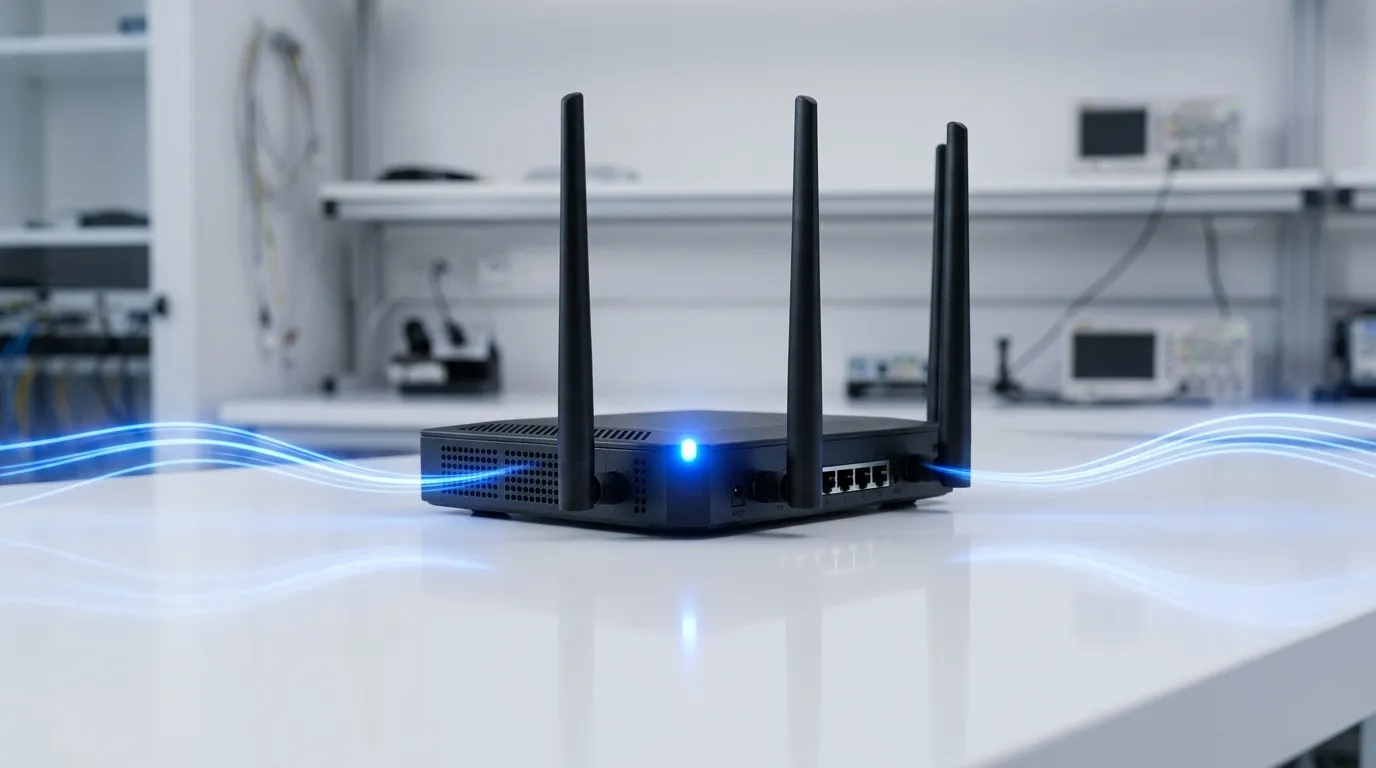
    Cellular failover solutions give businesses an inexpensive way to ensure a consistent internet connection as they can be a pay-per-use tariff and don’t require any expensive upgrades. 4G/ 5G Cellular failover solutions offer a backup link in case the primary connection fails if the original connection fails, or connectivity drops to a slow, unusable speed by combining multi-network SIMs with a router or an SD-WAN box. The primary and secondary networks are connected to routers, automatically switching to the secondary connection as necessary. This offers organisations dependable and robust network access, enabling them to remain operational even in the event of a network outage.

    Benefits of Failover

    Business Continuity: Failover connectivity ensures uninterrupted operations by automatically switching to a backup connection when the primary connection experiences issues. This minimises downtime and ensures that critical systems, applications, and services remain accessible, allowing businesses to maintain productivity and service levels.

    Increased Reliability: Failover connectivity enhances the reliability of network infrastructure by providing a backup connection that activates seamlessly when needed. This redundancy helps safeguard against single points of failure and ensures consistent access to essential resources and services.

    Improved Customer Experience: With failover connectivity, businesses can maintain consistent access to online services, applications, and communication channels, even during network disruptions. This helps preserve the customer experience by minimising service interruptions and ensuring timely responses to customer inquiries or transactions.

    Flexibility and Scalability: 4G/5G Failover solutions are flexible and scalable, allowing businesses to adapt to changing network requirements and growth opportunities. Whether expanding operations, adding new locations, or upgrading network infrastructure, failover solutions can easily accommodate evolving business needs. This is because they can switch between cellular and wired connections as needed and are not restricted to a single type of internet connection.

    Cost: Cellular failover solutions give businesses an inexpensive way to ensure a consistent internet connection because they only require a few connections or expensive upgrades. Also, Failover prevents businesses from the cost of loss during downtime. Apart from the obvious financial consequences, there’s also a risk of data loss, lower productivity, and even reputational harm to the organization. By using Failover, these risks are reduced.

    Coverage: Although businesses have many varied demands, network dependability is among the most crucial. Anywhere there is a 4G/5G signal, which is most of the UK, a 4G/5G failover router may be utilised. It is lightweight and portable. As required, you may even relocate your router to other places, such as temporary workspaces, events, or distant offices.

    How Failover is used in Smart Retail

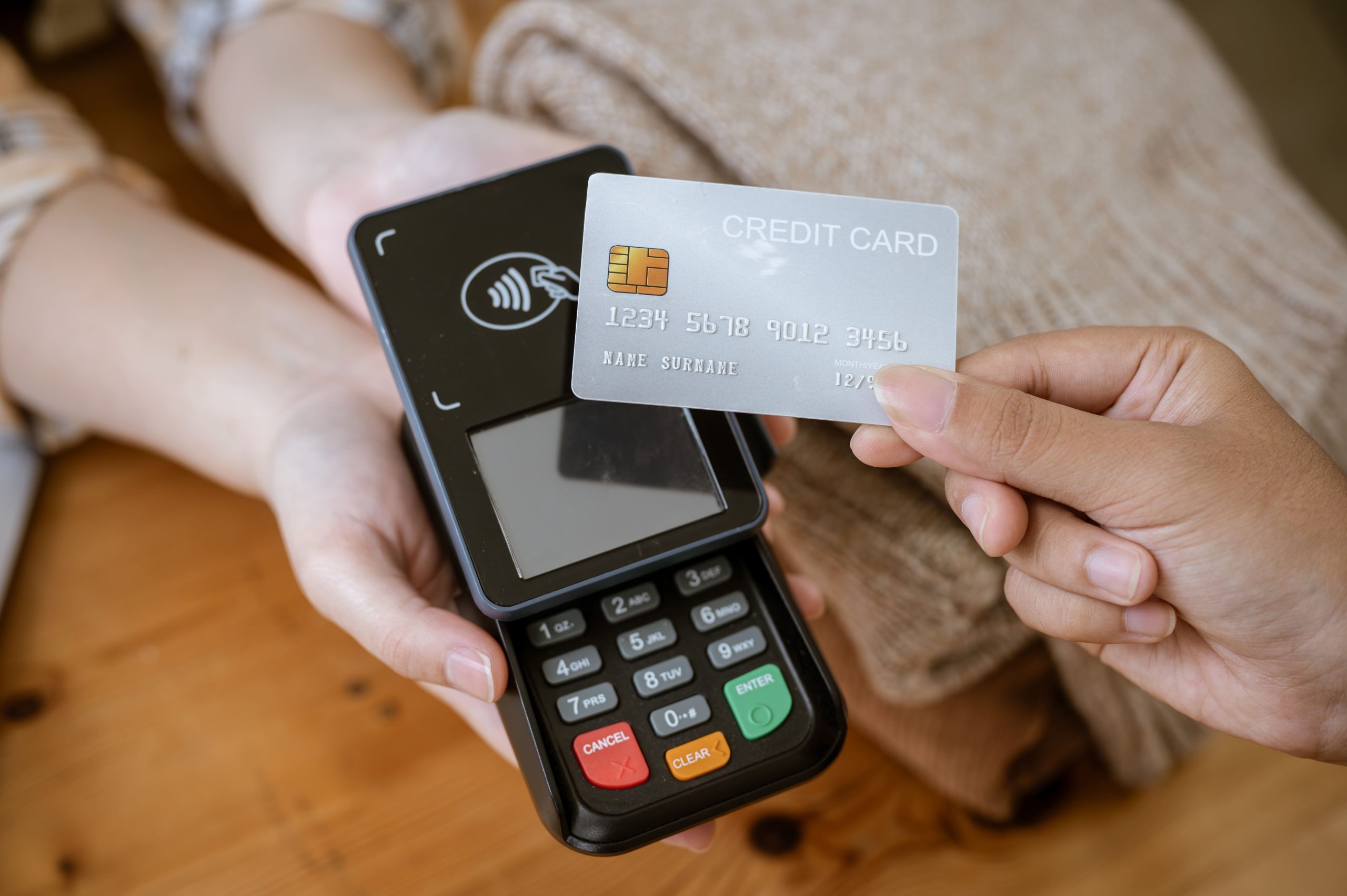
    As businesses increasingly adopt IoT technology, point-of-sale (POS) systems have evolved to become more sophisticated. However, these intelligent POS systems rely heavily on a stable internet connection. A failover system ensures that even if the primary internet connection fails, the backup connection will kick in and provide a connection for the POS system so businesses can still pay.

    IoT use cases for Failover

    Even a brief loss of connectivity can result in significant issues in the digital era. Your business may find that it cannot process payments, place stock orders, or even make phone calls if its broadband is down. If you have any questions about using connectivity for Failover, contact us, and a member of our team will be touch shortly!

  • How IoT is making a change in the Digital Signage industry

    How IoT is making a change in the Digital Signage industry

    Businesses are fighting to provide a more engaging digital experience to market to potential customers, raise brand awareness, and keep consumers. Digital signage is a modern way for businesses to do this. However, digital signage doesn’t have to be for marketing purposes; it can be used to display general information or communicate with the public. Businesses are embracing IoT connections to empower their digital signage to completely engage customers. In this blog, we will explore why IoT is being used in digital signage and its benefits.

    What are IoT SIMs?

    Before we explore their impact on digital signage, we must understand what IoT SIMs are. An IoT SIM card functions similarly to the SIM cards used in mobile phones but is designed specifically for IoT devices and business use, whereas the SIMs you use on your phone are designed for consumer use. These SIMs provide connectivity to the internet via cellular networks, enabling devices to communicate with each other and central systems without needing a Wi-Fi connection. This capability is particularly beneficial for devices located in areas where Wi-Fi is unreliable or unavailable.

    Why IoT connectivity is being favoured

    Whether it was banners, posters, or billboards, typically static signage was the most popular way of signage. Businesses would display their signs in key locations. It was a simple yet effective solution to get your message or brand or message across, but static signs require manual work for the installation and general maintenance.

    IoT offers flexibility, companies have the ability to make real-time changes over the air with connected media players. It’s one of its most important applications because it changes the signage process. Get your poster made and book an engineer to install and maintain it. Now, companies can monitor, change, and even offer other services thanks to IoT.

    The Role of Multi-Network Connectivity in Digital Signage

    Multi-network SIMs have the ability to connect to multiple networks, ensuring seamless connectivity even in areas with poor network coverage from a network. They automatically switch to the strongest available network, ensuring your digital signage remains operational and practical.

    Uninterrupted connectivity is paramount in the world of digital signage. Imagine a digital billboard down because the connection is not working, and it defeats the whole purpose.  In such scenarios, relying on a single connection can lead to connectivity issues due to network blind spots.

    Cellular connectivity offers a game-changing solution for digital signage; it allows signs to be crucial for areas that can’t get a wired connection and Wi-Fi connections aren’t strong enough to rely on.

    Another way multi-network SIMs are used is for failover; you can have a primary connection and have a router or SD-wan box with a SIM card. It will seamlessly change over to the backup connection if the primary fails or delivers slowly.

    Secure your signs

    You require reliable and secure connections to unlock the full power of your IoT-driven signage. This is where we step in. Our strong IoT connectivity solutions offer the ideal foundation for your intelligent signage to flourish.With fixed IP SIMs, VPN access, and state-of-the-art data security measures, you can have peace of mind knowing that your content and customer data are always safeguarded.

    Ensuring secure mobile connectivity is crucial for the success of IoT digital signage. Networks must be protected, with devices linked via fixed IP addresses and VPN access to shield data from cyber threats. VPNs establish a secure passage between the network and the device, making it challenging for cybercriminals to intercept data. By employing end-to-end encryption, privacy is ensured, and valuable data is safeguarded. Access to your displays is further regulated through dedicated protocols to prevent unauthorised tampering or entry. With secure mobile connectivity, businesses can feel confident that their digital signage content and data are shielded.

    For any inquiries regarding connectivity in digital signage, contact us below, and a member of staff will be with you shortly

  • How IoT-connected EPOS systems have become a must-have for retailers post-COVID:

    How IoT-connected EPOS systems have become a must-have for retailers post-COVID:

    The COVID-19 pandemic has severely impacted the retail industry worldwide, people were very hesitant to use cash during that time. The crisis has accelerated the adoption of digital solutions across retail facilities, from supermarkets to convenience stores. IoT-powered technologies enable data-driven retail capabilities, such as EPOS systems, or electronic point-of-sale systems, have become a must-have for retailers post-COVID. These advanced systems have become critical not only in managing day-to-day operations but also in enhancing the overall shopping experience.

    Physical stores remain a crucial component of the retail industry. Still, their role is changing as they increasingly become multi-purpose locations that offer experiences to enhance the shopping experience, such as click-and-collect services, pop-up shops, same-day deliveries, and human-less payment tills. If you’re considering incorporating IoT connectivity into your retail business but desire a deeper understanding of how IoT capabilities can streamline processes, yield business advantages, and more, then this article is tailored for you.

    the need for online payment has changed in the retail industry; EPOS isn’t just crucial in physical retail supermarkets and shop stores. Nowadays, they are needed in multi-functional spaces that offer enhanced shopping experiences. For instance, pop-up shops, festivals, and markets events all require EPOS systems to set up temporary retail environments that can process transactions as efficiently as a permanent store

    Cellular Connectivity’s Role in Pop-up Shops

    For mobile EPOS systems and pop-up retail outlets, multi-network SIMs are crucial. Their data roaming capabilities enable retailers to sustain Connectivity even when outside their regular network coverage zone. This feature is exceedingly beneficial for retailers operating pop-up shops at events or festivals, where obtaining reliable internet connectivity can be problematic. The advantages of multi-network SIMs extend beyond mere data roaming capabilities. Access to multiple networks lets retailers leverage the best network coverage and pricing available in a specific area. This is particularly advantageous for retailers functioning in remote or rural locations, where network coverage might be sparse. In addition, multi-network SIMs aid retailers in achieving superior load balancing across multiple networks, ensuring their mobile EPOS system or pop-up shop isn’t overwhelmed with traffic. This strategy helps to reduce the risk of connection failure or lag, guaranteeing swift and efficient transaction processing. If you’re a retailer seeking a connectivity solution for your EPOS system, don’t hesitate to get in touch. A member of our team will be more than happy to assist you.

    Here are some of the benefits connectivity provides in an EPOS system:

    • Improved Inventory Management: IT technology allows for real-time tracking of inventory levels, reducing the likelihood of stock shortages or overstocking. This leads to more efficient supply chain management and lower operational costs.
    • Enhanced Customer Experience: IoT-enabled EPOS systems can gather data on customer purchasing habits, allowing businesses to personalise their offerings and improve customer service. This could include personalised discounts or product recommendations based on past purchases.
    • Streamlined Operations: Through automation of tasks such as stock replenishment and sales reporting, IoT can drastically reduce the manual workload, leading to increased efficiency and productivity.
    • Detailed analytics on your customers: The data collected by IoT devices can provide valuable insights into sales trends, customer behaviour, and more. These insights can inform strategic decisions and drive business growth.
    • Increased Security: IoT devices can enhance security at the point of sale by monitoring for fraudulent transactions and alerting businesses to any unusual activity. This can help prevent loss and protect the company and its customers.
    • Backup Connectivity: If the Wi-Fi in the shop goes down, you will have the option to switch to a cellular connection and will still be able to take payments.
    • Upgrade in Services: Many businesses offer click-and-collect services, human-less payment, and same-day delivery services because of EPOS’s ability to coordinate orders, dispatch, and delivery schedules. Furthermore, many stores are moving towards autonomous payment tills, reducing the need for manned checkout lines and speeding up the purchase process.

    Understanding Failover: Its Significance and Role in EPOS Devices

    The inclusion of multi-network connectivity in EPOS devices presents a considerable advantage, primarily due to their role in failover – a mechanism that ensures a backup connection is available if the primary one fails. Failover is particularly vital for retailers who use Wi-Fi as their main connectivity method. While generally reliable, Wi-Fi can be affected by external factors such as severe weather or nearby construction work, causing disruptions and potentially leading to lost sales. Cellular data, in contrast, provides a more dependable option for failover backup solutions, maintaining stable Connectivity even under challenging conditions. By integrating SIM cards into wireless payment terminals, retailers can guarantee seamless service continuity for their customers, even when the primary internet connection fails. This approach helps mitigate potential business losses arising from connectivity issues. Furthermore, the ability of SIM cards to support multiple carriers allows retailers to switch between providers, securing optimal coverage and cost-effectiveness in their locale.

    For retailers seeking robust connectivity to power their EPOS systems, we have expertise in the retail industry we have an array of connectivity solutions. If you’re interested in leveraging Anvil Mobile’s services for your retail business, don’t hesitate to get in touch. A member of their team will be available to assist you promptly with any enquiries or support you need.

  • IoT Connectivity in EV chargers

    IoT Connectivity in EV chargers

    As the adoption of IoT continues to grow globally, we are moving towards an era of heightened connectivity; one of the latest industries to adopt IoT is electric vehicle (EV) charging. The surge in EV charging stations has played a significant role in driving the adoption of electric cars.

    Rising concerns about carbon dioxide emissions, energy conservation, and the sustainability of fossil fuels, EVs are becoming increasingly common worldwide. As the market expands, so does the demand for smart charging stations. Currently, many EV charging stations are decentralised/non- networked chargers and structurally complex, making them challenging for on-site personnel to manage and maintain. In this blog, we’ll explore the advantages of IoT, discuss why connected EV chargers represent the future, and explain how they simplify the management of your EV charging stations.

    Problems faced with decentralised/non-networked chargers

    The genuine challenge lies not in the installation of numerous charging stations but in the capability to manage and operate these dispersed devices efficiently. Managing decentralised/non-networked EV chargers comes with its own set of unique challenges. High maintenance costs are often associated with field visits needed for troubleshooting charge points. This is not just a financial concern—every minute of downtime translates into lost business and customer dissatisfaction, making efficiency and reliability key.

    Role of connectivity in the EV charging ecosystem

    EV chargers need the “always-on” solution for several key reasons. Firstly, this type of connectivity ensures that EV chargers are always accessible and ready to serve customers, enhancing user experience and increasing usage rates. Secondly, it allows for real-time monitoring and management of the charging units. This includes tracking their performance, conducting remote diagnostics, executing software updates, and troubleshooting issues promptly, which can significantly reduce downtime and maintenance costs and offer the capability for third-party companies to collect important demographic details.

    These details can range from identifying who is charging their vehicle, pinpointing the time of the day when charging occurs, to noting the type of car being charged. Such information is invaluable in tailoring services and solutions to serve the EV charging community better. Lastly, it provides for the swift processing of payments and immediate updating of customer usage data, ensuring seamless and efficient transactions. It also triggers instant alerts in any disruptions such as power outages or system malfunctions, thereby improving response times and overall system dependability, maximising EV charging operations’ efficiency, reliability, and profitability.

    Multi-network connectivity is crucial in the Electric Vehicle (EV) charging landscape. It ensures uninterrupted network coverage by automatically switching between networks based on the strength of signals. This technology is instrumental.

    Why security is so important

    Security for IoT SIMs in Electric Vehicle (EV) chargers is paramount. IoT SIMs, which provide the cellular connectivity for these chargers, handle a significant amount of sensitive data. This includes customer details, payment information, and technical data about the charging process. If this information falls into the wrong hands due to inadequate security, it could lead to serious consequences such as financial loss, identity theft, or even sabotage of the charging infrastructure. Furthermore, secure IoT SIMs ensure the reliable operation of EV chargers by protecting them from potential cyber-attacks that could disrupt their functionality, leading to downtime and loss of revenue. They also allow for secure remote management of the chargers, enabling real-time monitoring, software updates, and troubleshooting. In essence, security for IoT SIMs is essential in maintaining the integrity, reliability, and trustworthiness of EV charging systems.

    To bolster security, we advise for organisations to use Fixed IP SIMs for connectivity. Fixed IP SIMs provide secure, direct, two-way communication between chargers and management systems, making each charger uniquely identifiable on the network. This simplifies remote troubleshooting and maintenance tasks, reduces downtime, and enhances operational efficiency. Fixed IPs also allow for stringent security measures, like firewalls and secure VPN tunnels, protecting sensitive data against cyber threats. To further bolster security, Anvil advises organizations to reinforce their EV charger connection within their own VPN, creating secure networks that link directly from our data center to your charging unit. By assigning each SIM card a Fixed Static Private IP address and incorporating a firewall, we ensure users access only approved internet services

    Here at Anvil we are connecting EV chargers by providing secure Cellular IoT network connectivity and infrastructure contact us below to see how we could help you connect your EV charger

  • Why Choose Anvil for Your IoT Hardware?

    Why Choose Anvil for Your IoT Hardware?

    We are a UK-based provider of IoT connectivity solutions, specialising in IoT hardware, SD-WAN technology, and mobile connectivity services. With a focus on delivering high-performance, secure, and scalable solutions, we offer a wide range of products, including 4G and 5G IoT routers, IoT SIM cards, and SD-WAN devices, all designed to ensure reliable and uninterrupted connectivity, whatever your use case.

    What to look for when deciding on hardware

    When searching for IoT hardware solutions, several key factors must be considered to ensure you choose the right connectivity for your needs. First is what connectivity your hardware is for. For example, if you buy a 3G router, you won’t be able to use it that much as networks are beginning to sunset 2G & 3G connectivity. coverage is essential—make sure the network is available where you plan to deploy. Bandwidth is another critical aspect, as the solution must be able to handle the volume and types of data your devices will transmit. Power consumption should be considered as well, particularly for battery-powered devices, to ensure efficient operation. Cost is always a factor, including the need to maintain infrastructure and the expenses associated with data usage. Data throughput is important, too, as the network must support the required data capabilities. Mobility should also be evaluated, ensuring that your devices can operate while on the move and at the speeds you need. Don’t forget latency—low delay is crucial for many IoT applications. Another thing to consider is whether your device is needed indoors or outdoors, especially for environments like basements or metal buildings where signal strength can be affected. Security is vital, so ensure the network provides strong protection against misuse and unauthorised access. Finally, look into redundancy options to ensure backup connectivity in case of network failures, keeping your devices up and running at all times.

    What is an IoT Router?

    An IoT router is a specialised piece of hardware that facilitates communication between IoT devices and the broader internet or private networks. These routers are designed to handle the unique requirements of IoT devices, such as managing large amounts of data traffic, ensuring secure connections, and supporting various communication protocols. An IoT router acts as a bridge, directing traffic between devices and ensuring data is transmitted efficiently, securely, and with minimal latency.

    An IoT router is essential for businesses looking to scale their IoT infrastructure. It ensures that devices can communicate effectively over long distances, even in remote areas, and allows organisations to centralise data management for analysis and decision-making. With the right IoT router, businesses can unlock new efficiencies and improve the overall performance of their IoT ecosystem.

    What is a 5G IoT Module?

    A 5G IoT module is a small device that helps connect things like sensors, machines, or devices to the internet. It allows the hardware to send and receive data, making them “smart” and able to communicate with other devices or systems. For example, an IoT module could enable a smart thermostat to send temperature information to your phone or let a fridge report its temperature to a maintenance team. These modules are essential for making everyday objects part of the (IoT).

    What is SD-WAN?

    Software-Defined Wide Area Networking (SD-WAN) is a modern network solution that helps businesses simplify, optimise, and secure their wide area networks (WAN). SD-WAN enables businesses to bond various types of connectivity, such as traditional wired broadband, 4G, 5G, satellite, and wireless, into one unified connection. This flexibility allows businesses to prioritise reliable, high-performance connections across multiple locations, ensuring smooth operations. Additionally, SD-WAN offers failover, automatically switching to a backup connection if the primary one fails, ensuring continuous connectivity and minimal downtime.

    Reliability and Durability

    Reliability and durability are paramount when it comes to IoT hardware. IoT devices are often deployed in environments where conditions can be harsh, including extreme temperatures, humidity, and exposure to dust or vibrations. For IoT networks to function effectively, the hardware needs to be able to withstand these conditions without failure.

    Anvil understands the importance of building products that are not only high-performing but also resilient. The company’s IoT hardware solutions are engineered with durability, ensuring they can operate in challenging environments without compromising performance. Whether you’re deploying IoT devices in the industrial, automotive, healthcare, or agricultural sectors, Anvil’s hardware is designed to meet the toughest requirements and ensure that your IoT network remains operational and reliable.

    Whether you’re looking for an IoT router, 5G IoT module, or SD-WAN solution, Anvil offers a wide array of IoT hardware products; we have you covered with a diverse range of cutting-edge products. Contact us below, and one of our in-team experts will be happy to help you

  • What is 5G and how does it benefit IoT?

    What is 5G and how does it benefit IoT?

    At its core, 5G is the fifth generation of wireless technology, designed to provide faster speeds, lower latency, and the ability to support an exponentially greater number of connected devices than its predecessors. 5G is built to deliver ultra-fast data transfer rates, reduced communication delays, and massive device connectivity—all crucial for the effective operation of IoT systems.

    For IoT, 5G is the enabler that will bring smarter, more efficient, and more responsive systems to life. Whether connected cars, smart cities, health monitoring, or factory automation, 5G’s advanced capabilities will provide the infrastructure needed to take IoT to the next level. As IoT continues to shape industries, the introduction of 5G promises faster, more reliable, and highly efficient connectivity that will expand the possibilities for IoT applications across the globe, including in the UK.

    Why is 5G needed in IoT?

    As the world adopts IoT, it’s become a strain on 4G network infrastructure, which is why the introduction of 5G.The fusion of the Internet of Things (IoT) and 5G is essential to meet the increasing demands for a network that is both reliable and capable of handling large amounts of data with low latency. As industries worldwide adopt IoT technology, the need for high-speed, efficient, and scalable network solutions becomes more pressing. 5G addresses these challenges by providing the infrastructure necessary to support the expanding IoT ecosystem, especially in sectors that require high-capacity and low-latency communication. One of the key reasons 5G is needed for IoT is its ability to support high device density. IoT networks often involve connecting thousands, or even millions, of devices, which presents a significant challenge for older technologies like 4G. 5G can support up to one million devices per square kilometre, compared to 4G’s 100,000 devices per square kilometre. It is ideal for environments such as smart cities, factories, and large-scale industrial applications where numerous devices must be connected and managed simultaneously.

    In addition, 5G delivers low latency, which is crucial for time-sensitive IoT applications like remote healthcare, autonomous vehicles, and industrial automation. While 4G typically experiences 30-50 milliseconds latency, 5G can reduce this to just one millisecond, ensuring near-instantaneous data transfer for real-time decision-making. Furthermore, 5G offers enhanced reliability, providing a more stable and resilient network connection, essential for critical IoT applications in healthcare, safety, and industrial environments. Any network interruption could lead to safety risks or operational disruptions. Finally, 5 G’s massive bandwidth supports data-heavy IoT applications like video surveillance and smart grids. With speeds up to 10 Gbps, 5G ensures efficient data transfer, enabling businesses to process and analyse large volumes of data without bottlenecks. In summary, 5G is set to unlock the full potential of IoT by enabling faster, more reliable, and scalable connectivity for a wide range of applications.

    What’s the Difference Between 4G IoT and 5G?

    The differences between 4G and 5G in IoT are significant, particularly regarding speed, capacity, and reliability. 5G is more energy-efficient than 4G, making it ideal for IoT devices that require long battery life. With 5G, devices can consume less power while maintaining high performance, extending the operational life of IoT devices. Below are some key distinctions between the two technologies:

    As 5G networks continue to roll out, integrating IoT and 5G will redefine how industries operate. The speed, reliability, and scalability offered by 5G make it an essential technology for the future of IoT. Here an Anvil we have a wide array of connectivity solutions which ready to deploy for your operations, fill in the form below and we will be in touch soon!

  • Consumer SIMs vs Commercial IoT SIM Cards: What’s the Difference?

    Consumer SIMs vs Commercial IoT SIM Cards: What’s the Difference?

    Understanding the differences between consumer and commercial IoT SIMs can be pivotal for businesses. At first glance, a regular smartphone SIM and an IoT SIM may appear quite similar, but they serve distinct functions. But what makes them different from each other? Let’s delve into the specifics.

    Understanding Consumer SIMs

    Consumer SIMs, as the name suggests, are designed for everyday personal use in mobile phones and tablets. They connect your device to the network, allowing you to make calls, send texts, and use data. However, they’re not built for industrial applications or equipped to handle the unique demands of IoT devices.

    Cost is the main reason why people start with consumer SIMs for business use, but consumer SIM cards can be affected by network congestion, resulting in unreliable connections. Have you ever been to an event with loads of people without getting a signal? They also lack the robustness required for use in harsh or remote environments, where many IoT devices are often deployed.

    The Rise of Commercial IoT SIM Cards

    IoT SIM cards are engineered specifically for IoT applications, unlike their consumer counterparts. They offer many advantages that make them ideal for businesses and industrial use. Firstly, IoT SIM cards are constructed more durably and withstand harsher conditions. This is crucial for IoT devices that operate in extreme environments, such as weather monitoring stations or wind turbines.

    Secondly, IoT SIMsare designed to work autonomously without the need for human interaction for activation or operation. This makes them ideal for remote or inaccessible locations where manual intervention isn’t feasible. IoT SIM cards provide enhanced manageability. They can be controlled remotely, allowing businesses to monitor and manage their connected devices effectively. This includes capabilities like over-the-air updates and real-time diagnostics.

    Finally, IoT SIM cards, unless requested, aremulti-network SIMs, which means one SIM can connect to multiple networks; they seamlessly change the network if the signal drops below a specific strength to maintain a good connection, which increases reliability compared to consumer SIMs.

    Why Choose Commercial IoT SIM cards?

    The decision between consumer SIMs and commercial IoT SIM cards comes down to your specific needs. Commercial IoT SIM cards offer clear advantages in durability, scalability, manageability, and reliability if you’re deploying IoT devices, especially in challenging environments or at scale.

    IoT SIM cards offer a distinct advantage over traditional consumer SIMs, particularly in the realm of business and industrial applications. The most significant advantage lies in their capacity for control, transparency, and robust security. IoT SIMs provide businesses with an all-encompassing interface for managing their network status, diagnostic reports, and real-time data usage. These features provide complete control over data usage and add an extra layer of security, enabling businesses to instantly halt a SIM connection if a device is misplaced or compromised. This level of visibility and control is exclusive to IoT SIM cards and essential for businesses requiring reliable, always-on internet connectivity.

    Furthermore, IoT SIM cards are much more adaptable and flexible than consumer SIMs. Unlike conventional smartphone SIMs that come with rigid, lengthy contracts and are restricted to a single local network, IoT SIM cards allow for tailored usage and tariff adjustment to fit a company’s needs precisely. They can connect to multiple networks worldwide, eliminating coverage gaps and offering boundary-less connectivity. This flexibility is particularly beneficial for businesses as it removes the worry of substantial additional roaming charges. Moreover, IoT SIM cards prioritise reliability, ensuring constant connectivity and business continuity, a critical service for companies that rely on suitable connectivity for their operations.

    While consumer SIMs may be suitable for personal use, the demands of IoT require a more robust solution. Commercial IoT SIM cards rise to this challenge, providing the stability and control businesses need to leverage the full potential of their IoT devices. If you have any IoT requirements, contact us below, and a team member will contact you soon.

  • 5G and LPWAN for smart city:

    5G and LPWAN for smart city:

    As cities become busier and more complex, we need smarter, sustainable solutions to manage them efficiently. That’s where 5G, the latest wireless network technology, comes into play. Using 5G, we can create ‘smart cities’ with applications that help manage traffic, enhance public safety, improve healthcare, and monitor the environment. In this blog, we’ll discuss how connectivity is making our cities smarter and our lives better.

    What is a smart city?

    So, what exactly is a smart city? Simply put, a smart city is an urban area that uses technologies, including the Internet of Things (IoT), to improve the quality of life for its citizens, make operations more efficient, and foster sustainable growth. Integrating multiple technological networks and devices allows a smart city to provide everyone with a seamless, connected experience. The arrival of 5G infrastructure could significantly enhance these capabilities, offering even more benefits for those living and working in such environments.

    For example, smart traffic lights can use data from IoT sensors to adjust their timing in real-time, which can help reduce traffic congestion.

    Smart cities offer several potential benefits, including:

    Improved efficiency: Smart cities can use technology to improve the efficiency of their operations. This can lead to cost savings and a better quality of life for citizens.

    Increased sustainability: Smart cities can use technology to reduce their environmental impact, which can help protect the environment and save money on energy costs.

    Improved quality of life: Smart cities can use technology to improve the quality of life for their citizens. This can include making streets safer, providing better public transportation, and improving access to healthcare.

    Connectivity 

    Cellular networks are a vital part of the technology that connects our devices and lets them talk to each other, known as the Internet of Things (IoT). They are known for being fast, reliable, and versatile when communicating. Will 5G and LPWAN finally be the key to unlock the full potential of smart cities? This question may seem simple, but the answer is multifaceted. While previous generations of wireless technology, such as 4G LTE, have indeed enhanced our connectivity, the promise of 5G is much greater. With speeds up to 100 times faster than 4G, 5G could be the game-changer we’ve been waiting for.

    One of the standout features of 5G is its ability to achieve high speeds and low latency. This groundbreaking technology can wirelessly connect devices such as sensors, lights, and meters, allowing smart city applications to be deployed more efficiently and effectively. In essence, 5G is pushing the boundaries and creating more secure networks that power our modern cities with real-time, reliable information.

    LPWAN connectivity distinguishes itself with its low power consumption. Combined with the high-speed data transmission of 5G, this could enable real-time, city-wide monitoring with minimal energy usage. This feature ensures that IoT devices can operate independently for an extended period, even up to a decade or more, while solely relying on battery power. Another critical attribute of LPWAN connectivity is its long range. This allows for installing sensors and actuators in remote or hard-to-reach locations, including rural agricultural fields, such as sensor networks for monitoring environmental conditions or infrastructure health.

    6 Smart City use cases

    IoT-based solutions are a game-changer for smart cities. They help city administrators better execute, monitor, and control different areas and operations while addressing various demands and challenges. Here are some examples of IoT-based smart city solutions:

    IoT Public Transportation: real-time data transmission between transportation mediums and administrators. This leads to improved scheduling, route planning, and overall efficiency. It also enhances passenger experience through timely updates about arrivals, departures, and delays.

    Smart Waste Management: The key to smart waste management lies in its ability to facilitate real-time data transfer from waste containers to a centralised system. This feature allows the city’s waste management department to schedule pickups efficiently, save fuel by optimising routes, and ensure timely waste disposal. The end result is a cleaner, healthier urban environment.

    IoT Smart Meters: Connectivity is crucial in monitoring and transmitting usage data from meters to utility companies. This helps in accurate billing, information on the amount of energy being consumed, anomaly detection, and better resource management.

    Smart Street Lights: They can be managed remotely, ensuring they are only used when necessary, with triggers set. This contributes to power conservation and reduces overall city energy consumption.

    Air Quality Monitoring: Connectivity ensures real-time transmission of air quality data to city administrators. This allows for immediate action when pollutant levels rise, safeguarding public health and promoting environmental sustainability.

    EV Charging Stations:  You can remotely monitor the use and maintenance of charging units. This leads to optimal performance, reduced inspection costs, and an overall smooth experience for electric vehicle owners.

    Full smart cities are still in their early stages of development; there are still other use cases in which connectivity can help; here at Anvil, we want to work closely with you. No matter how big or small your project is, we will create bespoke tariffs for your exact needs. Contact us below to see how we can help you.

  • Why SD-WAN PRO is Perfect for Bonding and Failover

    Why SD-WAN PRO is Perfect for Bonding and Failover

    Businesses are more reliant than ever on stable and uninterrupted internet connectivity. A consistent and high-performance internet connection is crucial for maintaining operations for remote office work, cloud-based applications, or real-time communications. Let’s explore why SD-WAN PRO is the perfect solution for businesses seeking bonding and failover connectivity.

    What is SD-WAN?

    Software-Defined Wide Area Networking (SD-WAN) is an advanced network architecture that enables businesses to simplify, optimise, and secure their wide area network (WAN). SD-WAN allows businesses to combine different types of internet connections, such as traditional wired broadband, 4G, 5G, satellite, and even wireless, into a single, unified service. This flexibility allows businesses to prioritise reliable, high-performance connections while maintaining seamless operations across multiple locations.

    Anvil Mobile’s SD-WAN PRO leverages this powerful technology to provide businesses with a comprehensive solution that ensures bonding and failover capabilities. By integrating these features, SD-WAN PRO ensures businesses experience minimal disruption, even in the event of an internet connection failure.

    How Failover Works with SD-WAN PRO

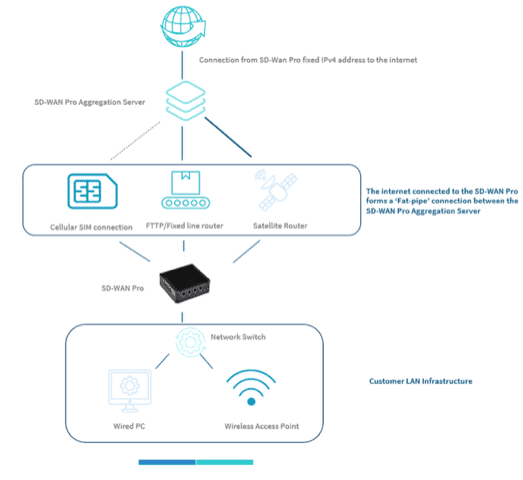
    Failover is a critical feature for businesses that cannot afford downtime due to internet failures. Traditional internet backup solutions, such as 4G/5G routers, offer a basic failover mechanism. In this approach, when the primary broadband connection goes down, a backup 4G or 5G router can be used to maintain internet connectivity. However, these solutions can have limitations, such as using different IP addresses, which can disrupt services like remote access, VPNs, VoIP telephony, and CCTV systems.

    Anvil Mobile’s SD-WAN PRO addresses these limitations by unifying multiple internet services under a single IPv4 IP address. When one connection fails, the SD-WAN solution automatically switches to the next available connection, ensuring the business stays online. The unique feature here is that the public IP address remains the same, meaning there is no disruption to remote access, VPNs, or VoIP services, making it a truly uninterrupted experience.

    This failover solution provides unparalleled reliability, keeping businesses connected even in the face of network failures. The SD-WAN PRO ensures a seamless switch between different internet connections, whether a 4G router, 5G mobile broadband, or traditional broadband, without causing downtime or performance issues.

    How Bonding Works with SD-WAN PRO

    Bonding is another powerful feature of SD-WAN PRO that sets it apart from traditional internet backup solutions. Bonding allows businesses to combine multiple internet connections. This approach is ideal for businesses that require high-speed internet and cannot afford the disruptions caused by congestion or connection failures.

    With SD-WAN PRO, the multiple internet services — including 5G, 4G, and broadband — are bonded together, enabling businesses to utilise the combined bandwidth of all the connections. This results in faster, more reliable internet speeds, making it perfect for high-demand applications such as media streaming, large-scale events, and point-of-sale (POS) systems at gatherings where high traffic can strain a single internet connection.

    The bonding feature is handy for businesses in industries like retail, media, or large-scale events, where reliable, high-speed internet is necessary to support many users. Whether it’s ensuring robust internet connectivity for a live-streamed event or maintaining continuous POS transaction processing at a busy venue, SD-WAN PRO ensures that businesses have a reliable internet connection, no matter the circumstances.

    Anvil Mobile’s SD-WAN PRO solution is designed to meet the demands of modern businesses, offering high-performance bonding and reliable failover solutions. Whether you’re running a small business or a large-scale enterprise, contact us below today and discover how it can optimise your business’s internet infrastructure.

  • How IoT SIMs are Empowering Remote Workers

    How IoT SIMs are Empowering Remote Workers

    The number of remote workers has been on the rise in recent years, and it is expected to continue to grow in the years to come. This is due to several factors, including the increasing availability of high-speed internet, the falling cost of mobile devices, and the growing demand for flexible work arrangements. Another factor was the COVID-19 pandemic, which made it challenging for companies to operate, largely due to the implementation of social distancing measures and remote work policies.

    The growing trend of remote working has transformed how businesses operate, especially in sectors where employees must stay connected from various locations, including remote and rural areas. Whether it’s for industrial teams, lone workers, or those working from home, staying connected with reliable, secure, and high-speed internet is crucial for maintaining productivity. IoT SIM cards have become a game-changer in this landscape, offering an optimal solution for improving connectivity and ensuring security. With the integration of 5G networks and multi-network SIMs, IoT SIMs empower remote workers, providing them with the tools to perform effectively and securely. In this blog, we explore the benefits of IoT SIMs, how they secure connectivity, and how they can be a preferred solution for remote workers, especially in high-risk or isolated environments.

    Benefits of Using IoT SIMs

    At the heart of remote working lies seamless connectivity. IoT SIM cards are specifically designed to enable devices to maintain a stable and secure connection over mobile networks, ensuring that remote workers always stay in touch. One of the most significant advantages of IoT SIMs is their ability to switch between multiple networks depending on coverage, ensuring no disruptions in service.

    • Reliability: IoT SIM cards are designed to work on multiple networks, which is particularly important in areas with patchy coverage. Previously, remote workers in rural locations or regions with limited mobile infrastructure faced significant connectivity challenges. With IoT SIMs, workers can seamlessly switch between networks, ensuring uninterrupted access to their workplace systems and communication tools.
    • Scalability: IoT SIM cards are easily scalable for businesses looking to expand their workforce or require a growing number of devices to be connected. These SIM cards are ideal for industries such as construction, utilities, and logistics, where workers in remote locations need reliable internet access to transmit data, receive real-time updates, and communicate with their teams.

    Why Secure Connectivity is Crucial

    While the benefits of connectivity are clear, security is a primary concern for businesses adopting remote work models. Without the proper security infrastructure, workers in remote areas could be vulnerable to cyber-attacks, data breaches, or hacking attempts, putting sensitive business information at risk.

    IoT SIMs are equipped with advanced security protocols, making them ideal for remote work. Their encrypted data transfer ensures that sensitive information shared by remote workers is kept secure, whether they are sending files or engaging in communication via VoIP services.

    One of the most effective ways to enhance security for remote workers is to integrate fixed IP SIMs. This allows employees to securely connect to their corporate network, and static private IP addresses offered by cellular connectivity providers give businesses even greater control over their networks. Remote workers can use static IP addresses to connect to internal systems securely, ensuring consistent and secure access from anywhere worldwide. This is particularly important for industries where regulatory compliance and data privacy are paramount, such as finance, healthcare, and legal sectors.

    IoT SIM Cards in Routers

    While there are multiple options for remote working solutions, a combination of multi-network IoT SIMs and routers offers the best performance for remote workers. A 5G-enabled router with IoT SIM cards provides high-speed, secure connectivity, even in areas with weak mobile signals. The ability to access multiple networks and switch between them as necessary ensures that remote workers can maintain a consistent and reliable internet connection.

    One example of this solution is the Anvil5G MiFi Router HL-873, which is paired with a multi-network sim and used for mobile food trucks for POS terminals, Wi-Fi, and other connectivity.

    IoT SIM cards are empowering workers across industries by ensuring seamless, secure, and reliable connectivity. If you have any router or remote IoT use cases, feel free to contact us, and we will be happy to help.