Blog

  • Fixed IP SIMs for Wind Lidar Monitoring

    Fixed IP SIMs for Wind Lidar Monitoring

    Our customer specialises in monitoring wind direction and speed using lidar technology to determine wind patterns efficiently.  They need connectivity to the remote locations where the Lidar equipment is deployed to maintain their wind monitoring systems effectively.

    Problem

    The main challenges our customer faced were secure connectivity to rural locations and managing all their SIMs.  Secure and reliable connectivity in remote locations is essential because they need to be able to remotely access their lidar equipment and in times of an outage they would have to send engineers to the location which is time consuming and expensive.

    Solution

    To counter the four main issues causing our customer’s problems, we deployed multi-network IoT SIMs.

    Multi-Network SIMs: Utilising multi-network SIMs is essential for our customers because they can enjoy reliable connectivity across various networks, even in challenging rural environments.  If they are having any issues with a network, they can change over the air to another network. This ensures uninterrupted data transmission for accurate wind direction monitoring.

    Fixed IP Connectivity: Our solution offers fixed IP connectivity to ensure a secure and stable connection from the wind farm to the monitoring systems.  This enhances data security and reliability, which is crucial for wind direction monitoring operations.

    Access to Jasper Management Portal: By providing access to the Jasper Management Portal, our customers can oversee and manage their portfolio of SIMs efficiently in real-time.  This portal simplifies connectivity management tasks and enables real-time monitoring of network performance.

    Bespoke Tariff for Usage: We looked at our customer’s usage and use case and designed a tariff that is specifically for the wind farm, ensuring they have cost-effectiveness and flexibility in managing connectivity expenses.  This helped optimises connectivity resources and aligns with the company’s operational needs.

    For any IoT companies requiring SIMs for wind farms in the UK, we have comprehensive solutions to cater to their specific requirements.

  • Fixed IP SIMs for Work Force Attendance System

    Fixed IP SIMs for Work Force Attendance System

    Introduction

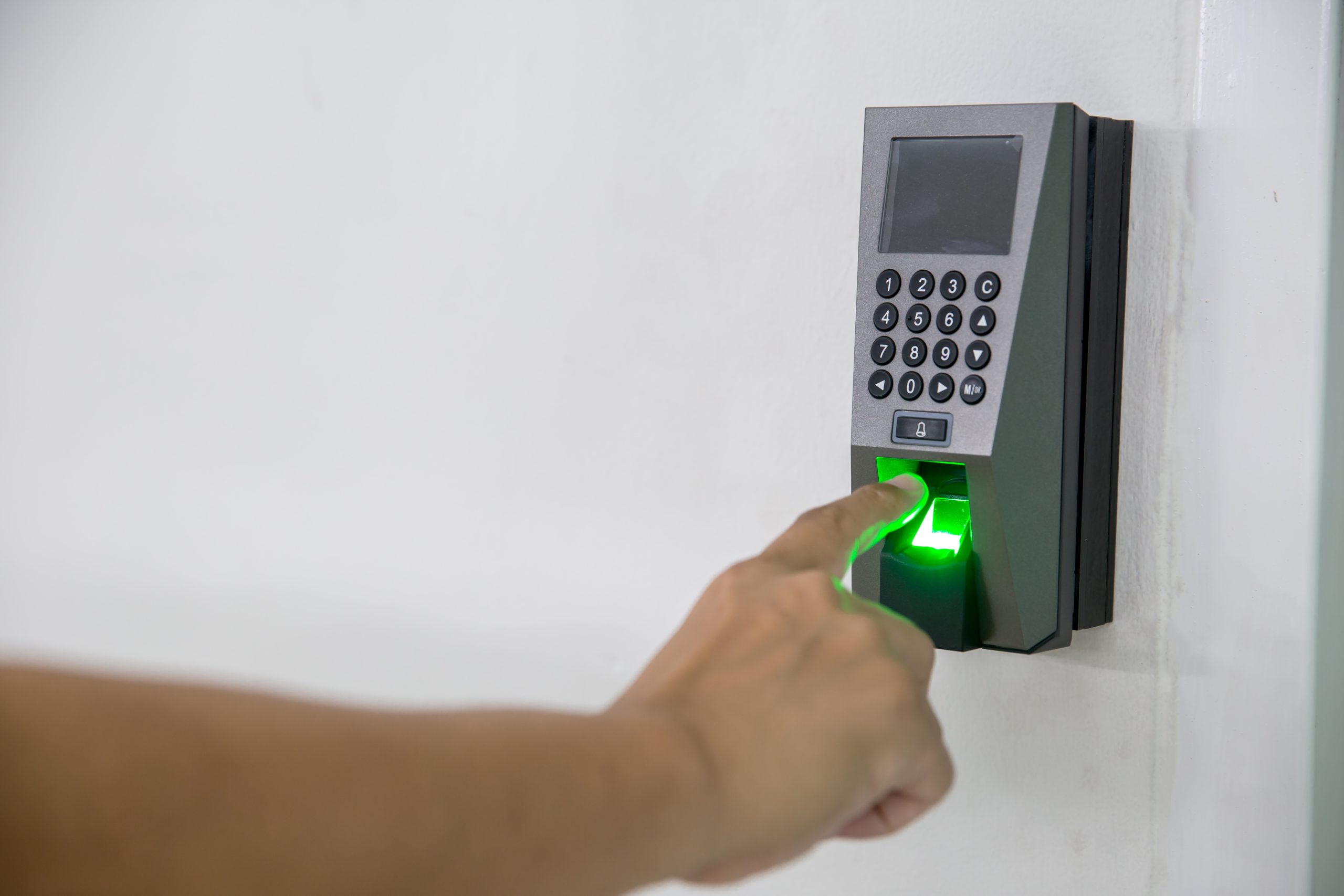
    Our customer is in the construction industry, and they operate a digital attendance system for their workers. They utilise a router integrated into their machines, which needs connectivity to record when the workers clock in and out and then upload the data for processing by the payroll team.

    Problem

    • Our client needs a simple, one-SIM solution that will work throughout the UK and is easy to set up, unlike their current single network SIMs.
    • They need the connectivity to be secure because they deal with sensitive data.
    • There is a demand for reliable connectivity as they are in various locations across the country, and their workers clock in and out throughout the day.
    • They would also like to see the portfolio usage during the month with some control over the SIMs.

    Solution

    We deployed fixed IP IoT SIMsfor our client, ensuring a secure data transmission for accurate worker attendance recording. The multi-network connectivity function helped our client mitigate the issue of single-network SIMs, which failed or slowed when masts were down for repairs/maintenance or when there was congestion on one network but access to others. This improved the reliability of signal reception when deployed, thus alleviating device downtime. Additionally, deploying the devices at the site is quicker and more convenient as there is no need to carry out coverage checks to establish which single network SIM to use.

    There is an intuitive management portal available with these SIMs which allows for efficient control and monitoring of all SIMs, offering visibility into connectivity performance and the ability to make real-time adjustments. We were able to offer a bespoke tariff based on their usage history helping to reduce the running costs and optimise operational needs.

  • Internet bonding for streamers

    Internet bonding for streamers

    In the world of remote working and social media and live streaming has taken off, with it now being some people’s prime income. A consistent, high-quality connection is paramount. Viewers expect seamless experiences with no buffering or a drop in quality. This is where the Internet of Things (IoT) and bonding/failover technologies come into play.

    What is bonding and failover?

    While IoT provides the tools for capturing and transmitting high-quality content, bonding and failover technologies ensure the delivery of this content is uninterrupted and reliable.

    Bonding is a technology that allows streamers to combine multiple internet connections into one super-fast and reliable connection. This means if one connection fails or is slow, the stream doesn’t suffer because the other connections pick up the slack. This is crucial for streamers who need to maintain a constant, high-quality stream without buffering or interruptions.

    Failover, on the other hand, is a backup operational mode in which the functions of a system switch over automatically to a secondary system when the primary system fails. In the context of streaming, this could mean an automatic switch to a backup server if the primary server fails. This ensures that the stream continues even in the event of technical difficulties.

    Together, bonding and failover provide a safety net for streamers, ensuring their content is delivered smoothly and reliably, no matter what.

    What connectivity can I bond with IoT?

    With IoT connectivity, a variety of different internet connections can be bonded to create a robust and reliable network. This includes traditional broadband connections like broadband or cable, mobile networks such as 4G or the increasingly available 5G, and even satellite connections. In addition, public Wi-Fi networks can also be bonded with your private connections to increase bandwidth but wouldn’t advise that. The process of bonding these connections is seamless, providing a stable and high-speed internet connection. This is particularly beneficial in areas with poor connectivity, as the system can dynamically switch between different connections based on their performance, ensuring the most efficient use of available resources.

    Here are 3 IoT use cases where bonding and failover can be used:

    Use Case 1: Live Event Streaming

    Live events, such as concerts, sports events, or conferences, require high-quality, uninterrupted streaming to reach viewers worldwide. Bonding technology allows the use of multiple internet

    connections simultaneously, ensuring consistent streaming quality even if one connection fails or is slow. If a primary connection fails during a live event, failover technology ensures an automatic switch to a backup connection, preventing any disruption in the live stream.

    Use Case 2: Online Gaming and Esports Broadcasting

    In the world of online gaming and esports, lag-free streaming is crucial for both gamers and viewers. Bonding can combine different internet connections (like Wi-Fi and cellular data) into a single, super-fast connection, drastically reducing lag and buffering. Failover plays a critical role during tournaments, where a server failure could disrupt the game. Automatic failover to a backup server ensures the gaming experience remains smooth and uninterrupted.

    Use Case 3: Remote Work and Virtual Meetings

    As remote work becomes more prevalent, virtual meetings and webinars have become common. In these scenarios, a stable and reliable internet connection is essential. Bonding allows for a combination of home Wi-Fi and cellular data to create a robust and reliable connection, ensuring smooth video and audio quality. If the primary connection fails during an important meeting or presentation, failover technology ensures a seamless switch to a backup connection, minimizing disruption and maintaining professionalism.

    Why SD-Wan Pro is perfect for bonding and failover

    Internet bonding and failover can be instrumental in enhancing your organisation’s online performance and reliability. Depending on your specific requirements, these solutions could be perfect for maintaining optimal uptime and consistent service delivery under any circumstances. Our newly unveiled SD-WAN Pro solution offers both internet failover and bonding within a single router. This enables you to merge multiple cellular, broadband, and satellite connections to create the most robust internet connectivity possible.

    In conclusion, IoT and bonding/failover technologies are vital tools for streamers. IoT technologies provides the means to capture and transmit high-quality content, while bonding and failover ensure this content is delivered reliably and without interruption. As live streaming continues to grow in popularity, these technologies will only become more important.

  • The Impact of IoT in Healthcare: Exploring Four Key Use Cases

    The Impact of IoT in Healthcare: Exploring Four Key Use Cases

    The Internet of Things (IoT) has made a significant impact across various industries, and healthcare is a prominent beneficiary. Through the integration of connected devices and data analytics, IoT is revolutionising patient care and operational efficiency. In this blog post, we’ll delve into five use cases of IoT within the medical sector: remote patient monitoring, digital medical records, tracking of medical assets, and smart wearables for health monitoring.

    1. Tracking of Medical Assets

    In the fast-paced environment of a hospital, the ability to track medical assets efficiently can significantly enhance patient care and operational efficiency. Whether it’s tracking the location of wheelchairs, monitoring the storage conditions of sensitive drugs, or managing inventory levels of medical supplies, IoT is making it possible.

    IoT-enabled asset tracking systems use technologies like RFID, GPS, and sensors to monitor the location, condition, and availability of various medical assets in real-time. This not only prevents loss or misplacement but also ensures that vital equipment or medication is always available when needed.

    2. Digital Medical Records

    Through the Internet of Things (IoT), patients’ health data can be smoothly incorporated into a digital health record, known as Electronic Medical Records (EMR) or Electronic Health Records (EHR). These records are accessible via web and mobile applications. This integration enables easy sharing of patient information among healthcare professionals, providing them with information like previous injuries, if they take any medication helping healthcare professionals make more effective and informed treatment decisions.

    3. Smart Wearables for Health Monitoring

    Smart wearables have become increasingly popular in recent years, providing individuals with a proactive approach to manage their health. From fitness bands that track physical activity and sleep patterns to smartwatches capable of detecting irregular heartbeats, these devices are empowering individuals to take control of their health.

    These wearables collect a wealth of data, which can provide valuable insights into an individual’s health. With the ability to share this data with healthcare providers, potential health issues can be detected early, and personalized care plans can be developed. Furthermore, the real-time data collection allows for timely intervention if any sudden health concerns arise.

    4. Remote Patient Monitoring

    Remote patient monitoring is a clear demonstration of how IoT is transforming healthcare. Through IoT-enabled devices, doctors can monitor patients’ health data in real-time without being physically present. This technology is especially beneficial for monitoring chronic conditions, post-surgery recovery, or elderly patients who may have difficulty with frequent hospital visits.

    These devices collect vital data such as heart rate, blood pressure, blood sugar levels, and more, transmitting it to healthcare professionals for analysis and timely intervention. The real-time nature of this data transfer enables swift response to any sudden changes in the patient’s condition, potentially saving lives.

    IoT is making significant strides in the healthcare industry, improving patient care, enhancing operational efficiency, and facilitating proactive health management. As technology continues to evolve, the possibilities for IoT in healthcare are limitless. The five use cases discussed in this blog post represent just the tip of the iceberg, signalling a promising future for healthcare in the digital age

  • Fixed IP SIMs for Wind Turbines

    Fixed IP SIMs for Wind Turbines

    In recent years, there has been a mass adoption in IoT across a range of different industries. Among these, wind turbine technology stands out as a notable example. Through the incorporation of connectivity, and data analytics, IoT has ushered in an era of smarter, more efficient wind turbines.

    In the past, wind turbines functioned within fixed parameters, with little room to adjust to fluctuating weather conditions or unpredictable wind patterns. However, the advent of IoT has revolutionised this sphere. In this blog we will discuss how a combination of technology and connectivity is creating a new way of operating wind turbines.

    Connectivity in Rural Areas

    The production of renewable energy, especially via wind turbines, is on the rise. Many such facilities are situated in remote locations to optimise electricity generation. The sector of wind power production is expanding rapidly, not only in the UK but also worldwide. These renewable energy facilities need secure remote connectivity to efficiently manage their operations and maintenance.

    Wind farms are typically located in rural areas where there’s often lack internet connectivity via traditional fixed line connections. Laying new cables from the nearest telephone junction can be prohibitively expensive in many cases. The financial burden of installing fixed line broadband in these areas makes it an impractical solution, while satellite connectivity is a possible alternative, it also comes with high equipment, installation, and running costs.

    Reliability and performance issues can be mitigated by providing an un-contended internet connection, ensuring data doesn’t traverse the public network. However, using a Fixed IP SIM card equipped with router with a and an external 4G antenna attached to the turbine provides an optimal solution for managing wind turbines remotely.

    Why IoT is used in wind turbines

    The rapid growth of wind turbine-generated renewable energy in the UK and globally has increased the need for remote monitoring. IoT connectivityequips turbine operators with the ability to remotely monitor and control turbines. Through a centralised management system, operators can constantly, gather precious data on variables such as wind speed, turbine speed, temperature, and vibrations access real-time data, oversee turbine performance, and even modify turbine settings from a distance.

    This continuous monitoring paves the way for early detection of potential problems, eliminating the need for a physical presence at turbine sites, operators can schedule maintenance or repairs during non-peak hours, thereby minimising disruption to energy production thus reducing high call out costs and boosting operational efficiency. The combination of increased operational efficiency and reduced maintenance costs makes IoT very desirable in the operation of wind turbines.

    Wind turbines require constant monitoring and adjustment based on the local weather. There was an incident that made headlines when a wind turbine couldn’t be turned off during high winds and ended up catching fire. The fallout from this event included the loss of expensive equipment, the cost of cleaning up, and lost income from the electricity that wasn’t being produced.

    Connectivity is another strong point to why IoT is used in win turbines, IoT sims are predominantly multi-network sims unless requested, which means the SIM card will connect to the strongest

    network available in your desired area while seamless changing network if the connectivity drops below a certain strength.

    Why Fixed IP SIMs are important for wind turbines?

    Fixed IP SIMs play a pivotal role in the smooth operation of wind turbines. As these turbines are often located in remote areas, it’s vital to have a reliable and secure method for remote monitoring and control. Issues related to reliability and performance can be addressed by offering a dedicated internet connection, which ensures that data doesn’t travel through the public network. That’s where Fixed IP SIMs come into play Fixed IP SIMs provide a dedicated internet connection with a fixed IP address, enabling a secure two-way connection over the internet with either VPN encryption using appropriate hardware devices such as an integrated router/firewall device. Anvil can even build a private managed VPN over the 4G network using private IP address ranges so the network device housing the SIM can be simple and inexpensive.

    The use of private APNs (Access Point Names) and private carrier networks enhances the security of these connections, reducing the risk of unauthorised access. In an industry where any downtime can result in significant lost energy production, the importance of Fixed IP SIMs for wind turbines cannot be overstated. They ensure not only efficient operation but also robust security, making them an indispensable tool in the renewable energy sector.

    Our IoT data SIM cards and plans are specifically designed to support renewable energy. With reliable connectivity and flexible bespoke data plans, you can easily monitor and manage your renewable energy systems. Our years of experience in the renewable energy sector have honed our dedication to providing innovative and resilient solutions that contribute to a greener world.