Blog

  • SIMs for Tracking Devices in  Taxi Fleets

    SIMs for Tracking Devices in  Taxi Fleets

    Our client is a leading taxi company providing comprehensive taxi services across the UK.  With a focus on efficiency and customer satisfaction, the company sought innovative solutions to enhance the monitoring and control of their extensive fleet of vehicles.

    Problem

    Before integrating IoT solutions, our customer encountered significant challenges in managing their taxi fleet effectively.  The lack of robust connectivity hindered their ability to monitor and control where all their cars were, leaving them vulnerable to operational inefficiencies and security risks.  Additionally, there was an absence of real-time insights into vehicle performance, such as speed, fuel efficiency, and location.

    IoT solution for Fleet Management

    To address the connectivity issues, we provided our customer with multi-network SIM cards, providing uninterrupted data and smooth access across various networks.  Additionally, the SIM had SMS enabled, allowing SMS commands to be sent to the trackers.  Our SIMs made remote access and real-time monitoring possible—two necessities for effective fleet management.  It also addressed security issues by enabling remote vehicle access and control, facilitating quick reactions to security incidents like theft, and enhancing operational resilience.  Insights for proactive decision-making and effective route planning were obtained through real-time vehicle speed monitoring, location, and performance.  This greatly increased operational efficiency and streamlined their fleet management procedures, setting new benchmarks for excellence in the UK taxi service sector.  Having access to a SIM management portal also makes it easier to manage all of their SIMs in one centralised platform.

    For more information on how IoT can transform your fleet management operations, don’t hesitate to contact us below.

  • Multi-Network SIMs for Mobile Sandwich Van

    Multi-Network SIMs for Mobile Sandwich Van

    Our customer operates several mobile pop-up sandwich vans with numerous routes, bringing breakfast, lunch, and snacks to building sites, factories, offices, and business parks. To facilitate seamless card transactions, they require connectivity to enable card payment processing using mobile POS terminal

    Problem

    Inconsistent network coverage across various locations poses a challenge for the mobile sandwich vans in processing card payments efficiently and it was leading to a loss in sales and poor customer service. The customer needs the ability to accept card payments using a POS terminal; however, relying on single-network SIMs is not practical as the vans operate over an extensive area and the mobile signal is not consistent from any one network.

    Solution

    Multi-network SIMs are essential for ensuring connectivity reliability across different areas. Our client required a straightforward IoT solution, and the use of multi-network SIMseffectively met the connectivity requirements of the mobile sandwich company. This enables smooth card payment processing at diverse events and locations, offering versatile connectivity options to ensure seamless completion of all financial transactions.  Additionally we were able to offer our customer aggregation of the data. This helped reduce the cost of the connectivity as the data from all the SIMs could be accessed by all the SIMs.

    By using multi-network SIMs, our customer has an improved reputation and have branched out to new locations with confidence, knowing that they have operational flexibility for their business on the go. Contact us for more information or to get started with a connectivity solution that suits your needs!

  • Multi-Network SIMs for Boiler Monitoring

    Multi-Network SIMs for Boiler Monitoring

    Introduction

    Our client works within the energy sector, specialising in devices that can be retrofitted to heating control systems. These controllers cover commercial and industrial buildings and achieve energy efficiency improvements even on modern heating systems. The controllers need to communicate with the building’s BMS and optimise the Optimal Water Temperature using algorithms from their servers.

    Problem

    Our customer’s infrastructure needed to monitor the Optimal Water Temperature of the boiler, and then the algorithms would need to be able to control the boiler to achieve the most efficient temperature at any time.  It was not practical to utilise third party connectivity within the building.  Additionally, many buildings can no longer employ sufficient full time maintenance engineers to sufficiently monitor heating controls to achieve the energy cost savings.

    Solution

    Once our customer had explained the remote monitoring situation and advised that he had contracts in a wide geographical area across the country, the suggestion was to provide multi-network IoT data SIMs, which could be used to provide connectivity to the internet.  Existing solutions were fragmented and did not provide a comprehensive monitoring system.  Another issue was coverage – our client wanted one solution for all, which would also make for administrative efficiencies.  Our multi-network data SIMs roam across all four national networks and provide seamless connectivity for all monitoring needs.  The multi-network functionality of SIMs proves to be invaluable, especially in diverse locations where different networks are more robust depending on the area.  This feature guarantees uninterrupted connectivity regardless of the geographical location.  Our multi-network SIMs come with a SIM management portal which enables our customer to monitor their portfolio of SIMs and provides the complete control and flexibility they need.

    By implementing our SIM solution, our customer was able to scale and streamline their optimisation operations across a range of different use sites, leisure centres, office blocks, schools, public buildings etc.  They have reported an enhanced customer satisfaction rating and achieved significant cost efficiencies in energy management for their customers and their connectivity expenditure. Take the next step towards smarter, more efficient energy management by contacting us below to see how SIMs could keep your boiler system connected.

  • Understanding IoT and M2M: The Differences and Use Cases

    Understanding IoT and M2M: The Differences and Use Cases

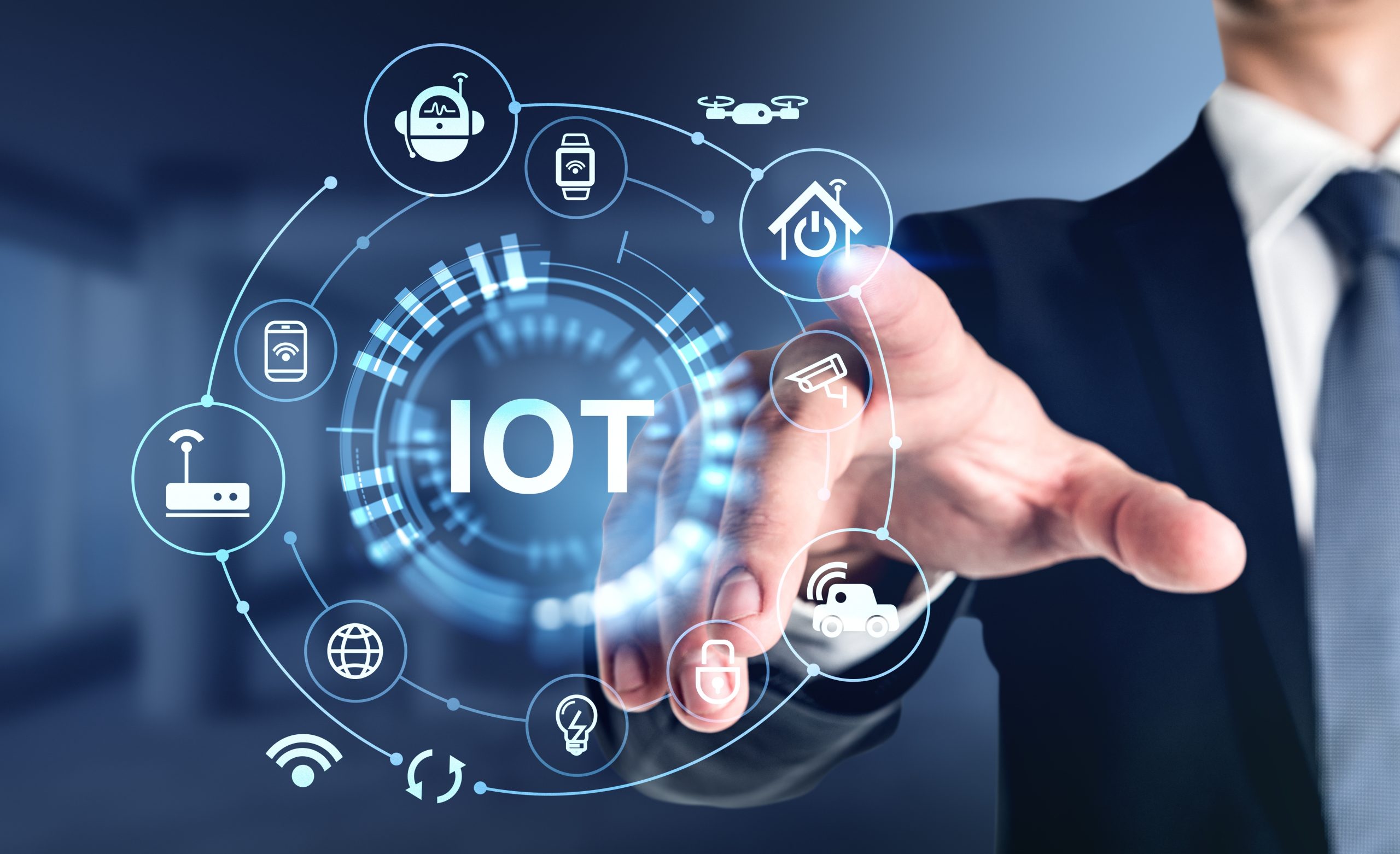
    Everywhere we go, whether it’s our homes, workplaces, or the streets, we’re in constant contact with IoT devices. The Internet of Things, one of the fastest growing sectors, is deeply woven into our daily activities without realising it. With an ever-growing list of use cases from point of sale (POS) terminals to environment monitoring – connectivity is becoming part of our lives. However, there has been a surge in both enthusiasm for and confusion about IoT, particularly when it comes to differentiating it from M2M technology.  Internet of Things (IoT) and Machine-to-Machine (M2M) communication. While they might seem synonymous due to their overlapping applications, there are subtle differences between the two. This blog post dissects these technologies, their unique characteristics, and their real-world applications.

    What is IoT?

    The Internet of Things (IoT)refers to a network of interconnected devices that communicate and exchange data with each other over the Internet. These devices, or “things,” can range from everyday household items like refrigerators and thermostats to complex industrial machinery. The true power of IoT doesn’t merely lie in connecting devices; it manifests in creating innovative, efficient systems that learn from the data they collect, make autonomous decisions, and improve lives or business operations.

    What is M2M?

    Machine-to-machine (M2M) connectivity, a subset of IoT, involves direct interaction between devices via wired or wireless networks, void of human intervention. M2M typically employs point-to-point communication with well-defined interfaces. M2M communication is a technological innovation that allows devices to interact and exchange information directly through various means, including wired and wireless networks. Its primary purpose is to streamline processes and enhance overall efficiency by negating the need for human involvement in specific tasks.

    Here’s a quick comparison table to highlight the key differences:

    The Internet of Things (IoT) is engineered to be versatile and capable of adapting to novel devices and technologies. It can seamlessly blend with a wide range of devices, systems, and platforms, thus fostering scalability and interoperability. In contrast, Machine-to-Machine (M2M) communication primarily focuses on machine interactions, with less emphasis on direct human interaction. IoT is designed to be flexible and capable of adapting to new devices and technologies. It can integrate with various devices, systems, and platforms, facilitating scalability and interoperability. On the other hand, M2M is usually designed for specific use cases and requires customisation for different applications and industries.

    Use Cases:

    IoT

    1. Smart Homes: IoT has revolutionised home automation with smart devices like thermostats, security systems, and even refrigerators. These devices can be controlled remotely via smartphone apps and can communicate with each other to create an integrated, intelligent ecosystem.
    2. Wearable Technology: From fitness trackers to smartwatches, wearable IoT devices are becoming increasingly popular. They collect data on health metrics like heart rate and sleep patterns, providing users with valuable insights into their well-being.
    3. Smart Cities: IoT technology is at the heart of smart cities, helping manage traffic congestion, reduce energy consumption, and improve public safety through intelligent street lighting, waste management systems, and more.

    M2M

    1. Manufacturing: M2M connectivity is widely used in manufacturing for predictive maintenance. Sensors installed on machinery monitor performance and detect anomalies, preventing costly breakdowns and downtime.
    2. Healthcare: In healthcare, M2M technology enables remote patient monitoring. Devices like heart rate monitors can send data directly to healthcare providers, allowing for timely intervention in case of abnormal readings.
    3. Fleet Management: M2M communication plays a crucial role in fleet management, enabling real-time tracking of vehicles, fuel management, and driver safety monitoring.

    IoT and M2M technologies offer solutions for collecting, storing, and sharing data between devices with little human oversight. They are increasingly intertwined in terms of device management, overseeing strategies for both IoT and M2M devices. As such, the distinction between IoT and M2M is becoming increasingly blurred. Here at Anvil, we pride ourselves on providing the best connectivity solution for our customers. If you have any use case that requires connectivity, contact us below, and a member of our team will be In touch shortly!

  • What is a fixed IP SIM?

    What is a fixed IP SIM?

    The fixed IP data SIM is our flagship solution. This solution takes data communication to the next level and gives our customers what we refer to as business-grade mobile broadband. We know that companies like to use IoT solutions in their operation for flexibility, but they would want the assurance that the information that was sent would not be compromised and that the performance was as consistent as possible.

    What is a fixed IP SIM?

    A Fixed IP SIM refers to a SIM card assigned to a specific, static IP address. This assignment allows the SIM card to maintain a consistent, unchanging IP address and two-way connection, which is crucial for applications where a device needs to be remotely accessible over the Internet at all times. Having a fixed IP on a SIM card ensures that the device can always be reached using the same address, facilitating reliable remote access and management.

    This capability is particularly valuable in the Internet of Things (IoT) sector, where devices often need to send and receive data without human intervention. In practical terms, having a fixed IP for an IoT device means that it can be directly accessed from anywhere, making it possible to retrieve information, perform updates, and manage the device remotely. This feature enhances security and control over the device, as the server it connects to can consistently identify it via its permanent IP address.

    Industries Fixed IP SIMs are used in

    •  Security Cameras
    • Remote Access and Management
    • Monitoring of remote devices
    • Smart devices
    • Industrial Automation
    • Environmental Monitoring
    • Disaster Response
    • Management of multiple devices
    • Hosting Services
    • Remote Work
    • VoIP
    • Gaming and Peer-to-Peer Applications

    Network Configuration:

    When a device with a multi-network SIM connects to a cellular network, it initiates a network registration process, similar to a traditional SIM card. During this process, the cellular network assigns an IP address to the device, allowing it to communicate with other devices and services over the Internet.

    Static IP Assignment:

    With a fixed IP configuration, the cellular network assigns the device a static IP address instead of a dynamic one. A static IP address remains constant and does not change each time the device connects to the network, unlike dynamic IP addresses, which are assigned dynamically and may change over time.

    APN Configuration:

    The device’s network settings are configured to use the private APN provided by the cellular network operator. This ensures that data traffic originating from the device is routed through the private APN, allowing for secure and reliable communication.

    Private APN:

    In some cases, fixed IP multi-network SIMs are provisioned with a private APN, which serves as a dedicated gateway for data communication between the device and the cellular network. The private APN ensures secure and direct access to network services and may include additional security features such as firewall rules or VPN (Virtual Private Network) tunnels.

    Subscription Management:

    The subscription profile stored on the SIM contains information about the device’s network configuration, including the fixed IP address assignment. This profile is managed and provisioned by the cellular network operator, allowing for seamless activation, deactivation, or modification of the fixed IP configuration as needed.

    Anvil’s Fixed IP solution

    We pride ourselves on providing comprehensive solutions tailored to meet your connectivity needs. Our offering includes fixed IP SIMs with the option of a private APN, ensuring secure and reliable connections for your business. These multi-network SIMs enhance reliability by seamlessly switching between networks as needed.

    In addition to our SIM cards, we provide easy-to-use monitoring services designed to empower you with control over your connectivity. With access to our SIM management portal, you can conveniently manage your SIM cards, monitor your usage, diagnose issues, or get a general idea of what is going on with the SIM, all in real time. At Anvil, we prioritise simplicity and efficiency, ensuring that you have the tools you need to optimize your connectivity experience.

    Here at Anvil, we pride ourselves on providing secure Fixed IP SIM cards utilised across various industries for applications. If you have any connectivity enquiries, contact us below, and a member of our team will be with you shortly.

  • Exploring 8 Sectors Leveraging Fixed IP SIMs for Secure Connectivity

    Exploring 8 Sectors Leveraging Fixed IP SIMs for Secure Connectivity

    A Fixed IP SIM is a SIM card used in IoT applications that assigns a static, unchanging IP address to each installed device. Unlike traditional SIM cards that use dynamic IP addresses, which can change with each session, a Fixed IP ensures that the device’s IP address remains constant throughout its lifecycle. This stability is essential for IoT applications that require reliable and secure data transmission. By maintaining a permanent IP address, Fixed IP SIMs simplify network management, enhance security through easier tracking and identification, and enable seamless, real-time communication between devices and central servers, making them critical for efficient and robust IoT ecosystems. In this blog, we will discuss eight different sectors in which fixed IP sims are used in

    Renewable Energy

    Internet connectivity is crucial for remote management for all types of renewable energy installations. Installations such as wind turbines, solar farms, anaerobic digesters, biomass generators, and small-scale hydropower typically reside in rural areas where fixed phone lines may not be available. A cost-effective IoT router with a Multi-network fixed IP SIM card allows inbound internet traffic for remote management, monitoring, and control. This technology can be used for managing building management systems, commercial refrigeration units, remote servers, and more.

    CCTV & Security

    With IoT, security systems can be easily relocated without network cabling. The fixed IP address lets you view camera feeds from any location via the internet. This is ideal for protecting assets that may move locations or events in remote locations.

    Vehicle Mounted Internet

    IoT routers mounted on vehicles provide internet connectivity on the go. The fixed IP address allows access to applications and resources located elsewhere, even those protected behind a firewall. For instance, a fleet of vans servicing an area can process credit card payments on the spot and link back to stock control. Mobile libraries also use this technology to access administrative systems remotely.

    Broadband Backup

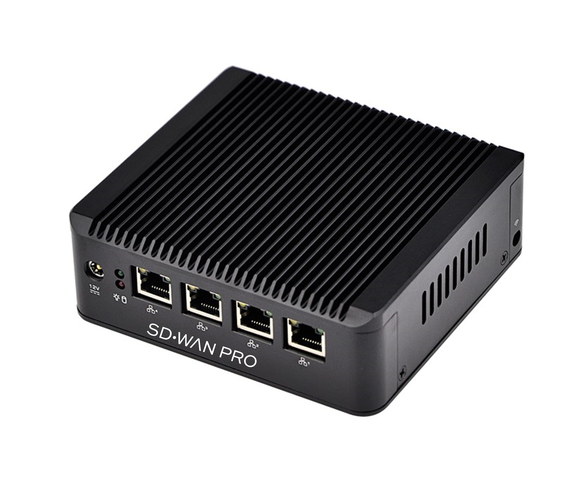
    When broadband fails, businesses heavily reliant on the internet can be severely affected. Some businesses use routers like an SD-Wan that support fixed lines and IoT connectivity. These routers can automatically detect a broadband fault and switch to the fixed IP SIM, ensuring business continuity.

    Bonded Internet – Enhanced Bandwidth

    Bonding multiple SIMs can deliver higher internet speeds than a single SIM. This is perfect for high-capacity connections needed to support multiple users or high-demand applications like CAD engineering tools or video streaming. Bonding systems can be quickly installed at temporary sites like construction sites or project offices. If slow broadband speeds are a hindrance, bonding solutions can combine IoT with fixed-line internet to boost speeds by combining the throughput of multiple connections.

    Internet for the Office

    Multi-network SIMs with fixed IP addresses can provide mobile internet connections where fixed-line broadband may not be available. This can be especially useful when a connection is needed as a primary means of accessing the internet or as a backup solution to a fixed-line installation. The fixed IP aspect of these SIMs can be useful for office applications, such as allowing the fixed IP through a corporate firewall for security purposes.

    Pop-up Shops & Kiosks

    Pop-up shops and kiosks are frequently utilised at events for stand enhancements or to make and receive payments. With an IoT multi-network SIM and router, these kiosks can be managed just like any other remote office or retail shop. The only requirement is a power supply for the router – some routers can even operate off a 12-volt power supply, eliminating the need for a standard power socket. The most unique example we’ve encountered is a converted fire engine transformed into a mobile pub!

    The Most Unusual Application Yet?

    The most extraordinary application of a Fixed IP SIM to date involves an IoT router on a boat off the west coast of Scotland. This boat provides a service for cleaning fish farms. The seawater is analysed on board, and software in a data centre in Norway determines the necessary treatment. This way, only the relevant pesticides or chemicals are used, saving money and minimising pollution risks. We certainly didn’t anticipate that one!

  • Understanding M2M SIMs/ Machine to Machine SIM Cards

    Understanding M2M SIMs/ Machine to Machine SIM Cards

    In an increasingly interconnected world, the ability for machines to communicate with each other is becoming essential. This concept, known as Machine-to-Machine (M2M) communication, is revolutionising a multitude of sectors, from healthcare to manufacturing. In this blog we will discuss what exactly is M2M, who can benefit from it, and what are its applications? Let’s dive in to explore.

    What is M2M?

    M2M is a broad term that refers to the automated exchange of data between machines, devices, or systems, often through a wireless network. It doesn’t require human intervention, making it a cornerstone of automation and the Internet of Things (IoT).

    Understanding Machine to Machine SIM Cards

    M2M SIM cardsplay a pivotal role in enabling seamless communication between devices in an M2M setup. Unlike standard SIM cards used in mobile phones, M2M SIM cards are designed to facilitate data transmission between machines, often across diverse geographical locations. These SIM cards are built to withstand harsh conditions, including extreme temperatures and humidity, making them suitable for use in various industries such as automotive, healthcare, energy, and more.

    M2M SIM card are predominantly multi-network SIMs unless requested. A crucial feature of M2M SIM cards is their ability to connect to multiple networks, ensuring uninterrupted data flow even if one network fails. This roaming capability is particularly vital for applications like fleet tracking where the device needs to maintain connectivity despite moving across different regions. Additionally, M2M SIM cards offer enhanced security features to protect the data being transmitted, which is crucial given the sensitive nature of the data handled in many M2M applications. M2M SIM cards are a critical component in the expanding world of IoT and M2M communications, enabling devices to interact and share data reliably and securely.

    M2M communication is primarily used by businesses to decrease their overall expenses, commonly achieved by minimising the staff required to monitor or control a machine. For instance, using M2M to remotely monitor their solar lighting towers. Each tower contains an M2M SIM card that transmits crucial information back to their headquarters. This remote monitoring and diagnosis eliminate the need for on-site engineers, leading to significant cost savings as the company expands.

    Machine-to-Machine (M2M) Use cases:

    1. Remote Monitoring: M2M technology allows for remote monitoring across various sectors. For instance, in healthcare, patient vitals can be continuously tracked and transmitted to healthcare providers for timely intervention.
    2. Predictive Maintenance: In the manufacturing sector, M2M applications can monitor equipment health in real-time, predicting potential failures before they occur and scheduling maintenance accordingly.
    3. Real-Time Asset Tracking: M2M communication is vital in logistics, offering real-time tracking of goods. It provides information on the location, temperature, and other relevant parameters.
    4. Precision Farming: In agriculture, M2M applications enable precision farming. Sensors monitor soil moisture, temperature, and other conditions to optimize irrigation, fertilization, and pest control.
    5. Supply Chain Management: M2M communication helps in streamlining supply chain processes by providing real-time inventory management and automating replenishment.
    6. Smart Metering: Smart meters use M2M communication to transmit usage data to utility companies, enabling more accurate billing and resource management.

    As mentioned earlier, M2M uses the IoT to exchange data between devices. Multi-network M2M SIMs are used because they connect to the strongest available network in the vicinity and send and receive data between the machine and the web server or device. This data transmission happens over a secure M2M network. Once the data is received, it can be analysed, stored, extrapolated, and manipulated to provide an overview of the machine’s performance. This visibility greatly helps businesses reduce running costs by centralising their diagnostic and data gathering efforts These powerful tools are increasingly being leveraged by businesses across the globe to cut costs and boost efficiency.

    at Anvil, we collaborate closely with companies, understanding that M2M SIM cards are a potent tool in today’s business environment. By facilitating efficient machine-to-machine communication, these devices are revolutionising the way businesses function, leading to increased efficiency and reduced costs. If you have any questions contact us below and someone from our team will be in touch

  • Fixed IP SIMs for Wind Lidar Monitoring

    Fixed IP SIMs for Wind Lidar Monitoring

    Our customer specialises in monitoring wind direction and speed using lidar technology to determine wind patterns efficiently.  They need connectivity to the remote locations where the Lidar equipment is deployed to maintain their wind monitoring systems effectively.

    Problem

    The main challenges our customer faced were secure connectivity to rural locations and managing all their SIMs.  Secure and reliable connectivity in remote locations is essential because they need to be able to remotely access their lidar equipment and in times of an outage they would have to send engineers to the location which is time consuming and expensive.

    Solution

    To counter the four main issues causing our customer’s problems, we deployed multi-network IoT SIMs.

    Multi-Network SIMs: Utilising multi-network SIMs is essential for our customers because they can enjoy reliable connectivity across various networks, even in challenging rural environments.  If they are having any issues with a network, they can change over the air to another network. This ensures uninterrupted data transmission for accurate wind direction monitoring.

    Fixed IP Connectivity: Our solution offers fixed IP connectivity to ensure a secure and stable connection from the wind farm to the monitoring systems.  This enhances data security and reliability, which is crucial for wind direction monitoring operations.

    Access to Jasper Management Portal: By providing access to the Jasper Management Portal, our customers can oversee and manage their portfolio of SIMs efficiently in real-time.  This portal simplifies connectivity management tasks and enables real-time monitoring of network performance.

    Bespoke Tariff for Usage: We looked at our customer’s usage and use case and designed a tariff that is specifically for the wind farm, ensuring they have cost-effectiveness and flexibility in managing connectivity expenses.  This helped optimises connectivity resources and aligns with the company’s operational needs.

    For any IoT companies requiring SIMs for wind farms in the UK, we have comprehensive solutions to cater to their specific requirements.

  • Fixed IP SIMs for Work Force Attendance System

    Fixed IP SIMs for Work Force Attendance System

    Introduction

    Our customer is in the construction industry, and they operate a digital attendance system for their workers. They utilise a router integrated into their machines, which needs connectivity to record when the workers clock in and out and then upload the data for processing by the payroll team.

    Problem

    • Our client needs a simple, one-SIM solution that will work throughout the UK and is easy to set up, unlike their current single network SIMs.
    • They need the connectivity to be secure because they deal with sensitive data.
    • There is a demand for reliable connectivity as they are in various locations across the country, and their workers clock in and out throughout the day.
    • They would also like to see the portfolio usage during the month with some control over the SIMs.

    Solution

    We deployed fixed IP IoT SIMsfor our client, ensuring a secure data transmission for accurate worker attendance recording. The multi-network connectivity function helped our client mitigate the issue of single-network SIMs, which failed or slowed when masts were down for repairs/maintenance or when there was congestion on one network but access to others. This improved the reliability of signal reception when deployed, thus alleviating device downtime. Additionally, deploying the devices at the site is quicker and more convenient as there is no need to carry out coverage checks to establish which single network SIM to use.

    There is an intuitive management portal available with these SIMs which allows for efficient control and monitoring of all SIMs, offering visibility into connectivity performance and the ability to make real-time adjustments. We were able to offer a bespoke tariff based on their usage history helping to reduce the running costs and optimise operational needs.

  • Internet bonding for streamers

    Internet bonding for streamers

    In the world of remote working and social media and live streaming has taken off, with it now being some people’s prime income. A consistent, high-quality connection is paramount. Viewers expect seamless experiences with no buffering or a drop in quality. This is where the Internet of Things (IoT) and bonding/failover technologies come into play.

    What is bonding and failover?

    While IoT provides the tools for capturing and transmitting high-quality content, bonding and failover technologies ensure the delivery of this content is uninterrupted and reliable.

    Bonding is a technology that allows streamers to combine multiple internet connections into one super-fast and reliable connection. This means if one connection fails or is slow, the stream doesn’t suffer because the other connections pick up the slack. This is crucial for streamers who need to maintain a constant, high-quality stream without buffering or interruptions.

    Failover, on the other hand, is a backup operational mode in which the functions of a system switch over automatically to a secondary system when the primary system fails. In the context of streaming, this could mean an automatic switch to a backup server if the primary server fails. This ensures that the stream continues even in the event of technical difficulties.

    Together, bonding and failover provide a safety net for streamers, ensuring their content is delivered smoothly and reliably, no matter what.

    What connectivity can I bond with IoT?

    With IoT connectivity, a variety of different internet connections can be bonded to create a robust and reliable network. This includes traditional broadband connections like broadband or cable, mobile networks such as 4G or the increasingly available 5G, and even satellite connections. In addition, public Wi-Fi networks can also be bonded with your private connections to increase bandwidth but wouldn’t advise that. The process of bonding these connections is seamless, providing a stable and high-speed internet connection. This is particularly beneficial in areas with poor connectivity, as the system can dynamically switch between different connections based on their performance, ensuring the most efficient use of available resources.

    Here are 3 IoT use cases where bonding and failover can be used:

    Use Case 1: Live Event Streaming

    Live events, such as concerts, sports events, or conferences, require high-quality, uninterrupted streaming to reach viewers worldwide. Bonding technology allows the use of multiple internet

    connections simultaneously, ensuring consistent streaming quality even if one connection fails or is slow. If a primary connection fails during a live event, failover technology ensures an automatic switch to a backup connection, preventing any disruption in the live stream.

    Use Case 2: Online Gaming and Esports Broadcasting

    In the world of online gaming and esports, lag-free streaming is crucial for both gamers and viewers. Bonding can combine different internet connections (like Wi-Fi and cellular data) into a single, super-fast connection, drastically reducing lag and buffering. Failover plays a critical role during tournaments, where a server failure could disrupt the game. Automatic failover to a backup server ensures the gaming experience remains smooth and uninterrupted.

    Use Case 3: Remote Work and Virtual Meetings

    As remote work becomes more prevalent, virtual meetings and webinars have become common. In these scenarios, a stable and reliable internet connection is essential. Bonding allows for a combination of home Wi-Fi and cellular data to create a robust and reliable connection, ensuring smooth video and audio quality. If the primary connection fails during an important meeting or presentation, failover technology ensures a seamless switch to a backup connection, minimizing disruption and maintaining professionalism.

    Why SD-Wan Pro is perfect for bonding and failover

    Internet bonding and failover can be instrumental in enhancing your organisation’s online performance and reliability. Depending on your specific requirements, these solutions could be perfect for maintaining optimal uptime and consistent service delivery under any circumstances. Our newly unveiled SD-WAN Pro solution offers both internet failover and bonding within a single router. This enables you to merge multiple cellular, broadband, and satellite connections to create the most robust internet connectivity possible.

    In conclusion, IoT and bonding/failover technologies are vital tools for streamers. IoT technologies provides the means to capture and transmit high-quality content, while bonding and failover ensure this content is delivered reliably and without interruption. As live streaming continues to grow in popularity, these technologies will only become more important.